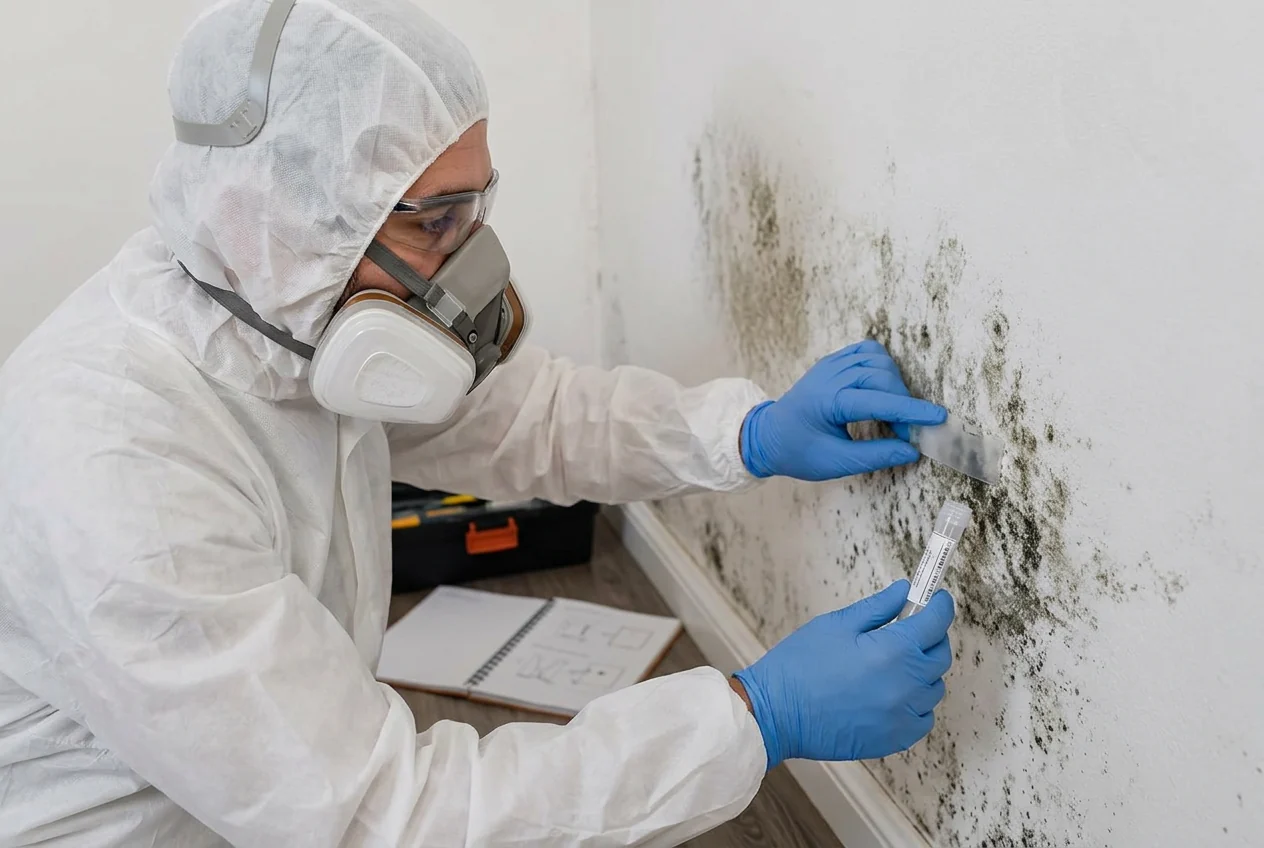
Testing · Published
Mold testing vs. remediation: which do you need?
Understand what an evaluation, a sample, and a removal estimate can answer before paying for the wrong next step.
Read article
Family owned & operated
Our name is in our work.
Call (512) 612-5866 for mold removal & remediation pricing and the next available estimate.
Clear answers about your home, from the first musty odor to moisture control after remediation.

Testing · Published
Understand what an evaluation, a sample, and a removal estimate can answer before paying for the wrong next step.
Read article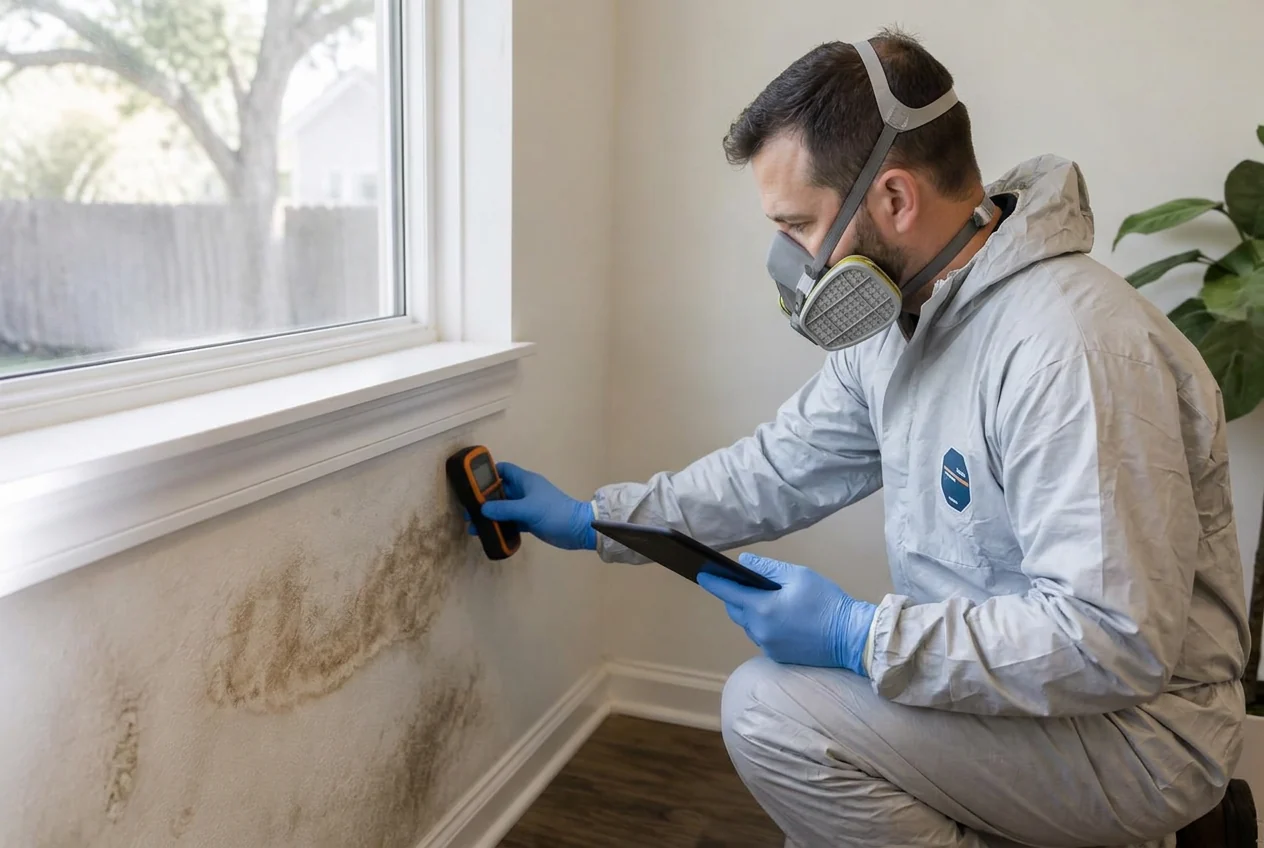
Home concerns · Published
An odor is a clue—not a diagnosis. Learn what to look for and when a property evaluation is worthwhile.
Read article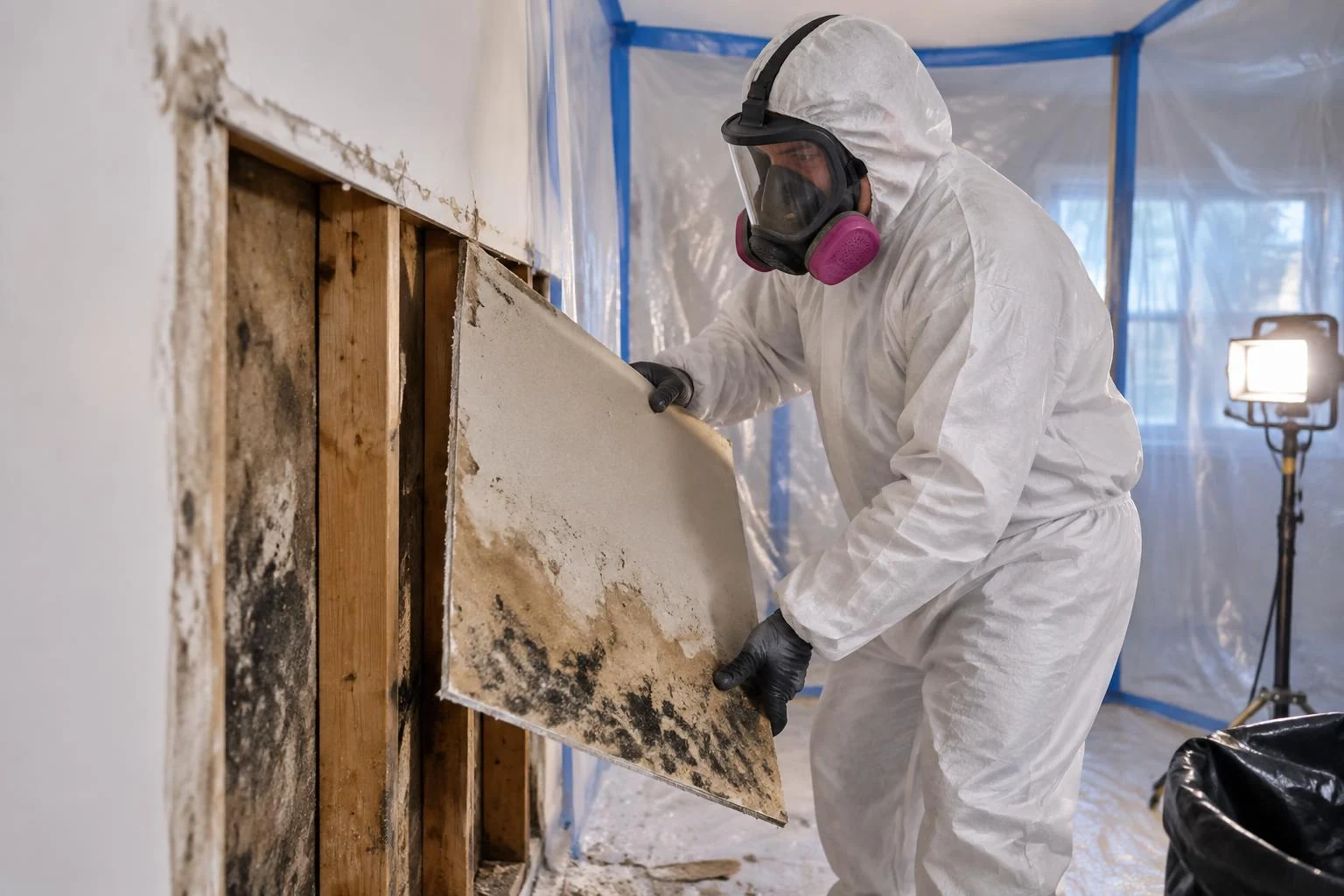
Moisture · Published
Prompt drying helps prevent growth, but established mold requires a controlled approach—not a fan pointed at the damage.
Read article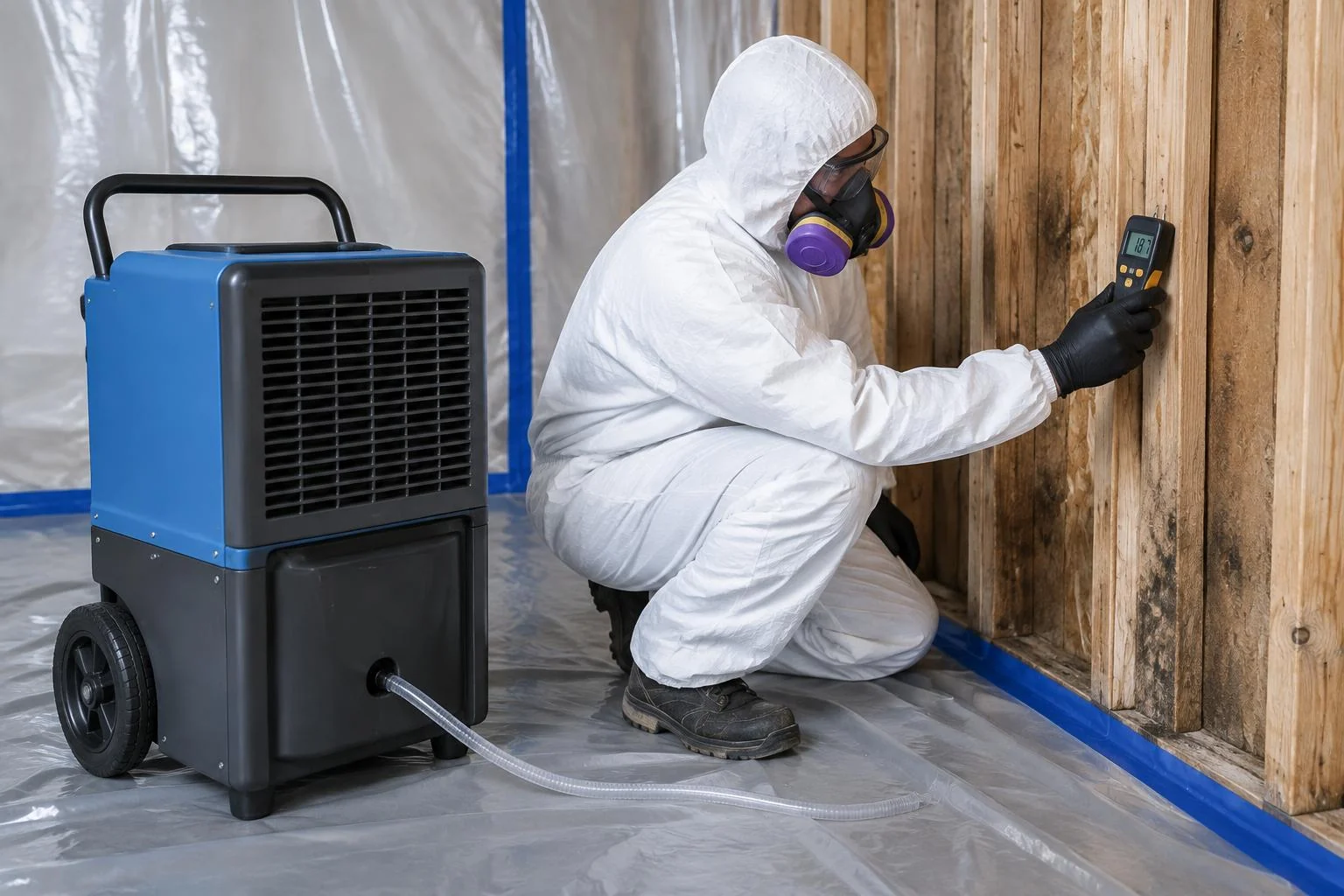
Prevention · Published
Humidity monitoring, leak repairs, ventilation, and maintenance work together; no single device replaces source control.
Read article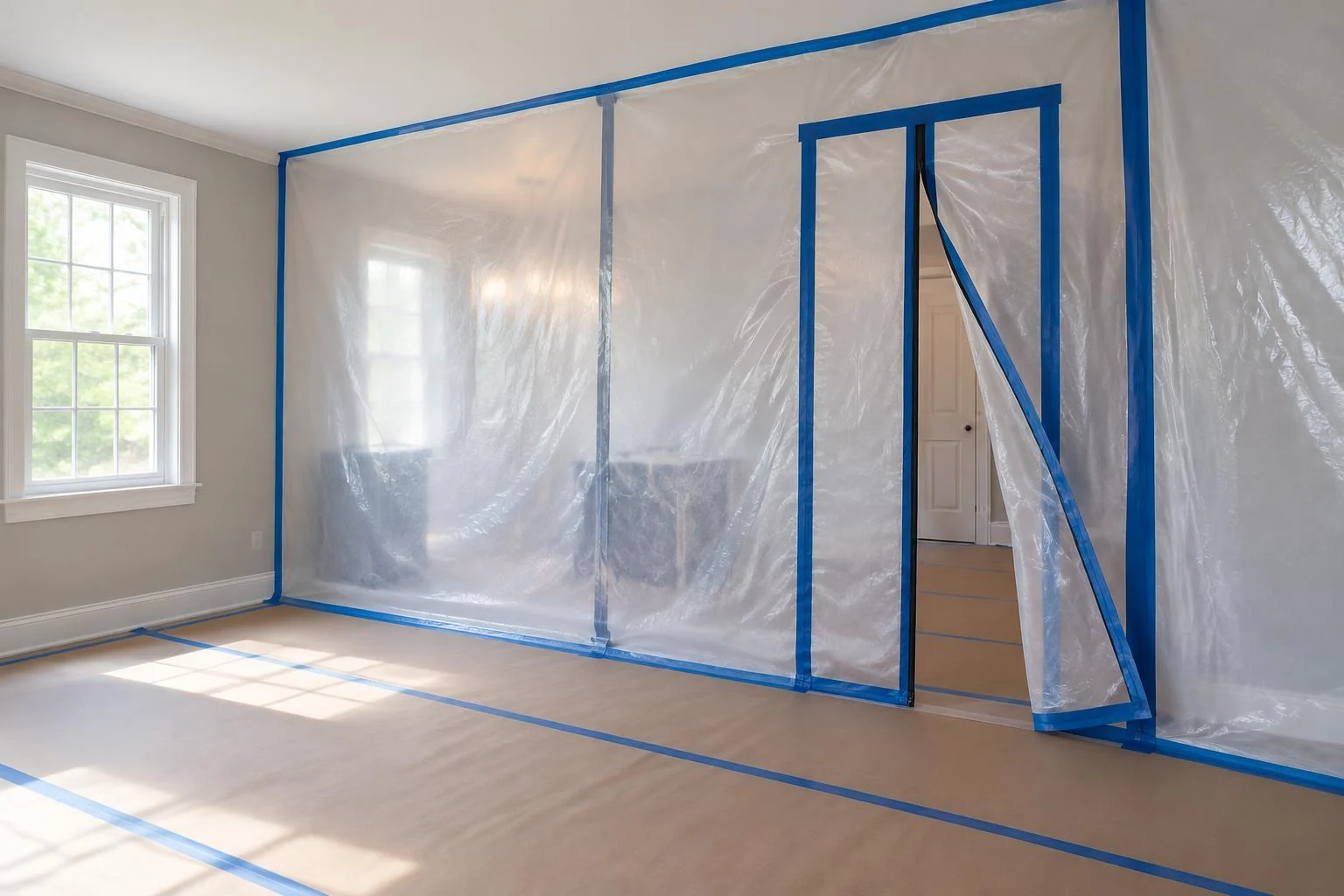
Removal methods · Published
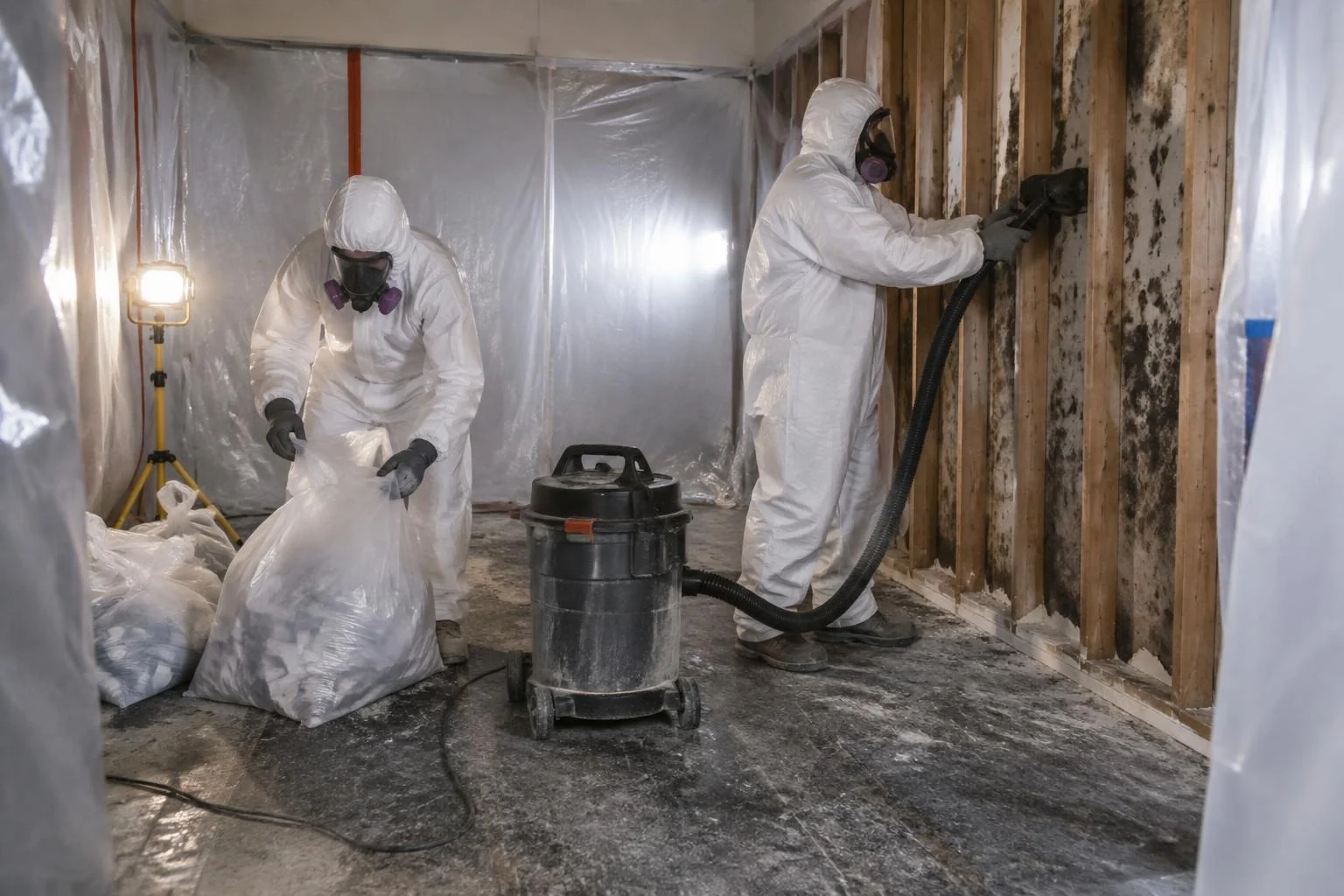
What the barriers and filtration equipment do—and why cleanup should not spread the problem into neighboring rooms.
Read article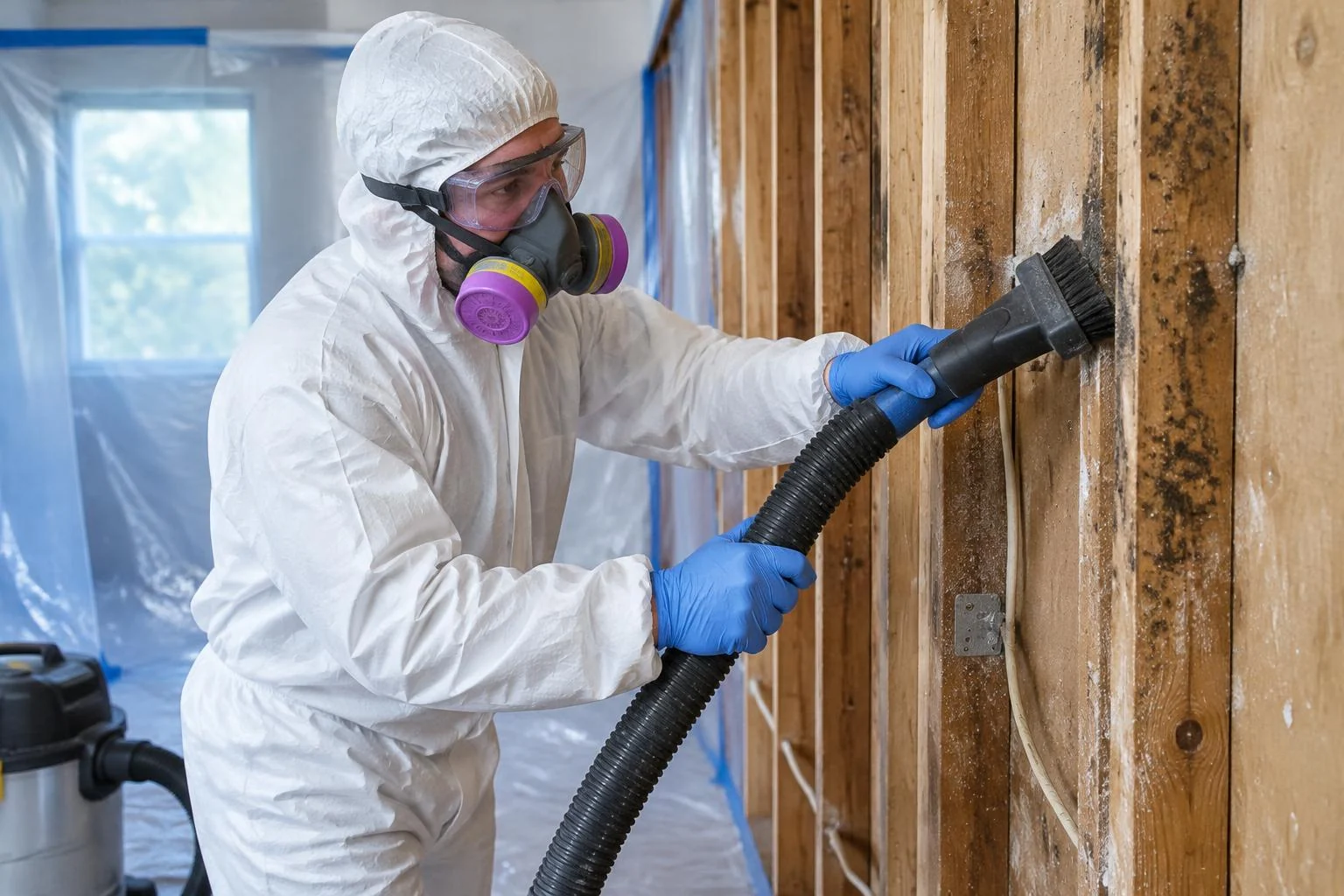
Materials · Published
The condition and porosity of a material matter more than whether its surface can be made to look clean.
Read article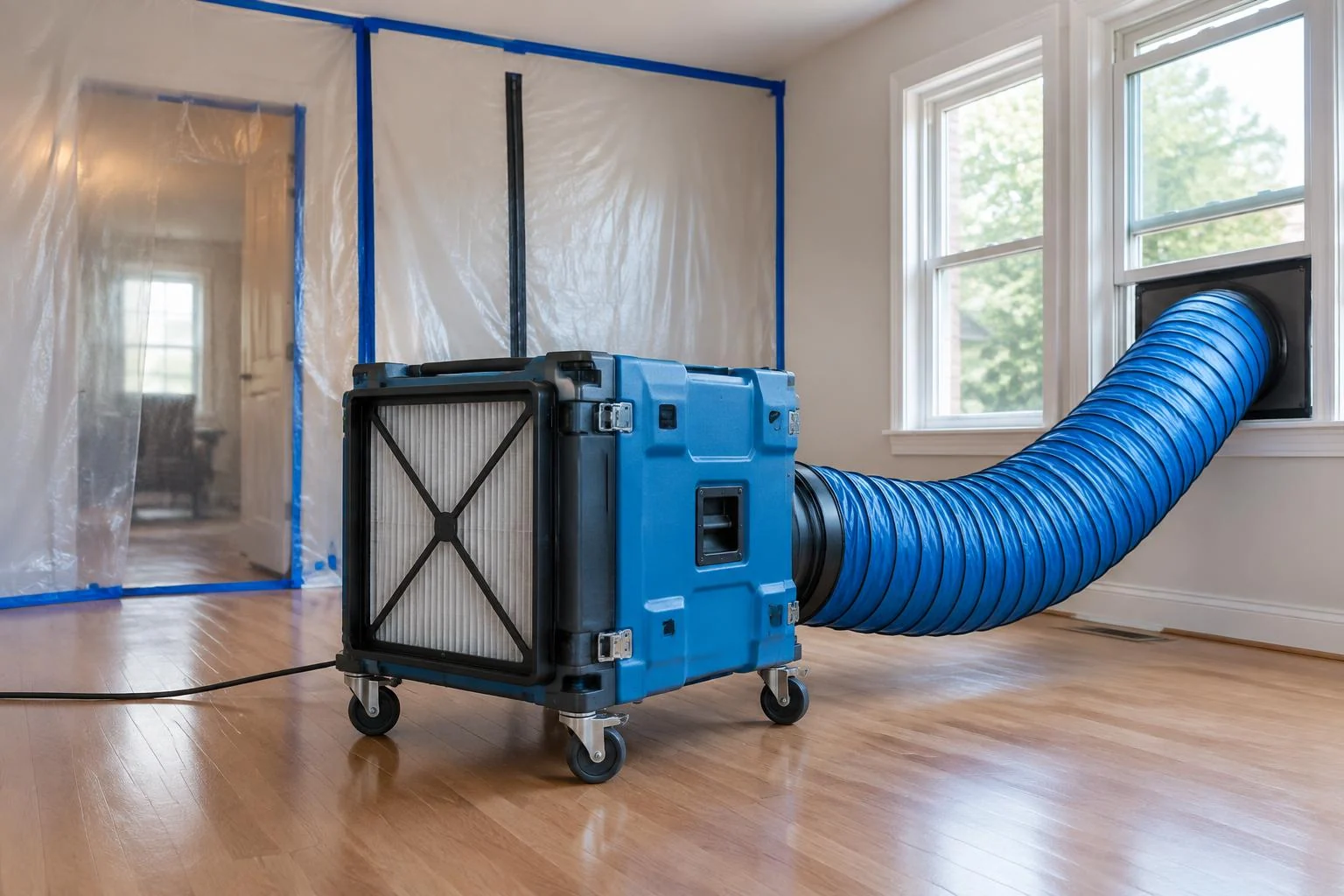
Texas requirements · Published
Understand contiguous area, independent assessment, state notice, and why larger work may not start the same day.
Read article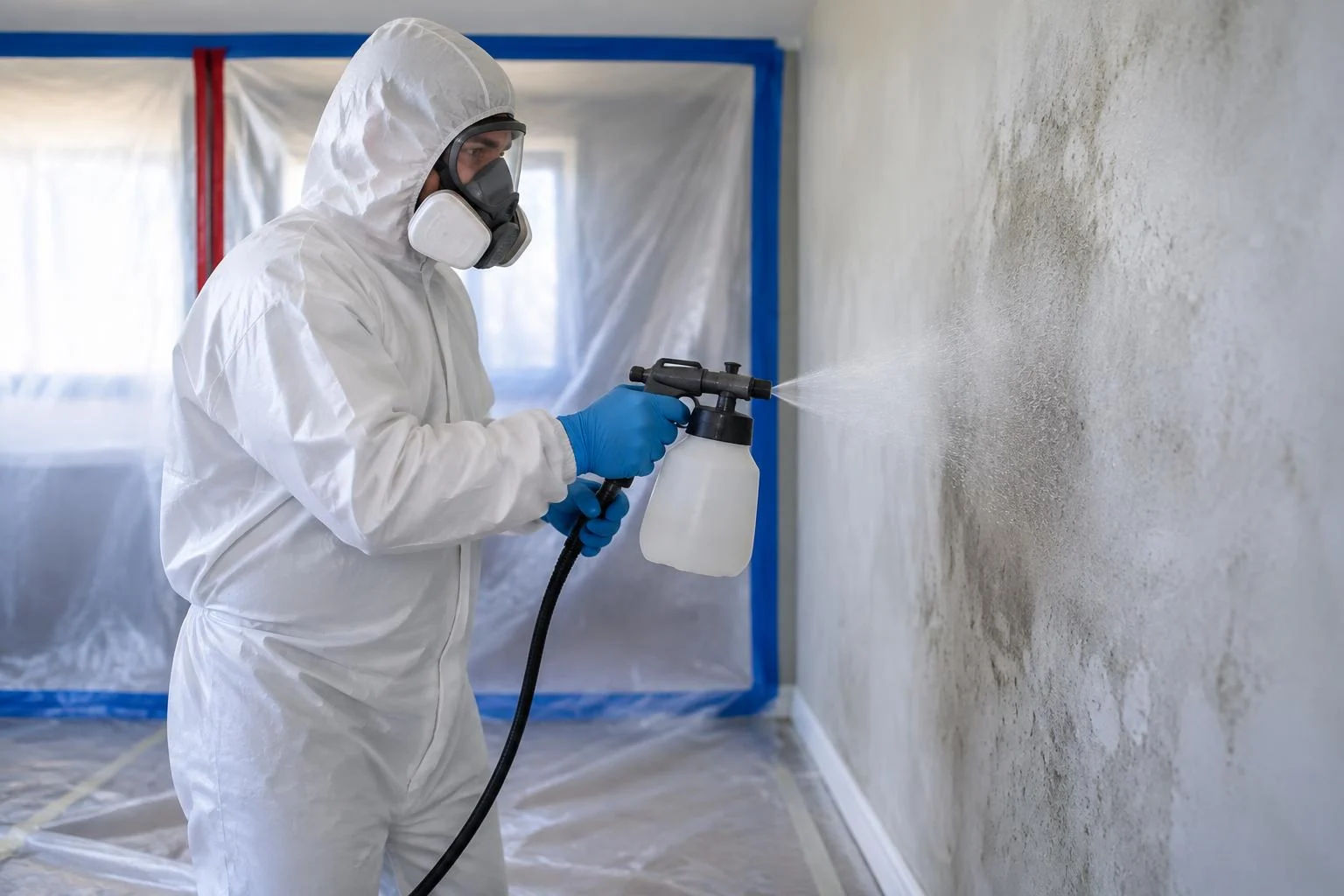
Planning · Published
A useful estimate explains materials, containment, access, drying, and clearance—not just a price per square foot.
Read article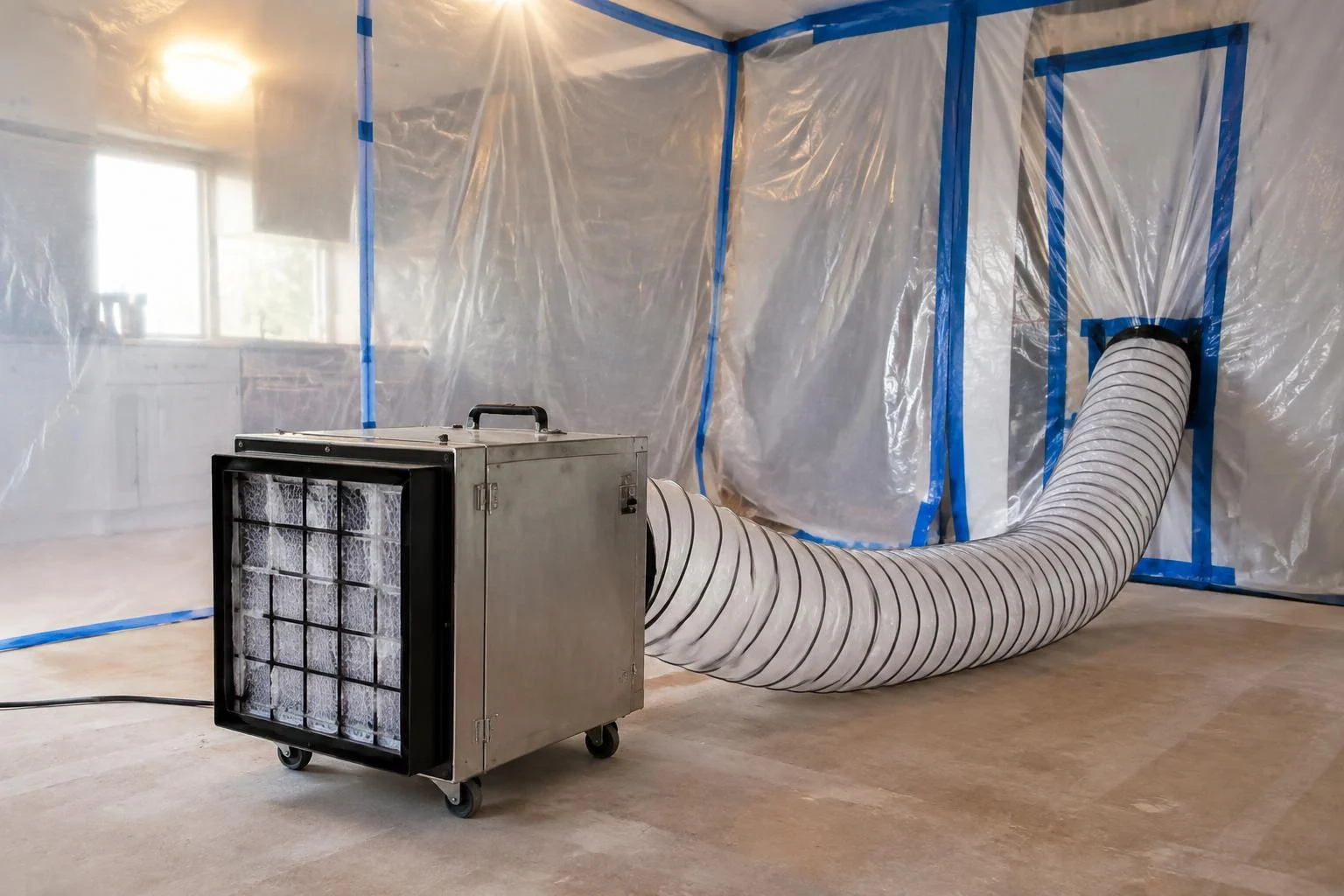
HVAC · Published
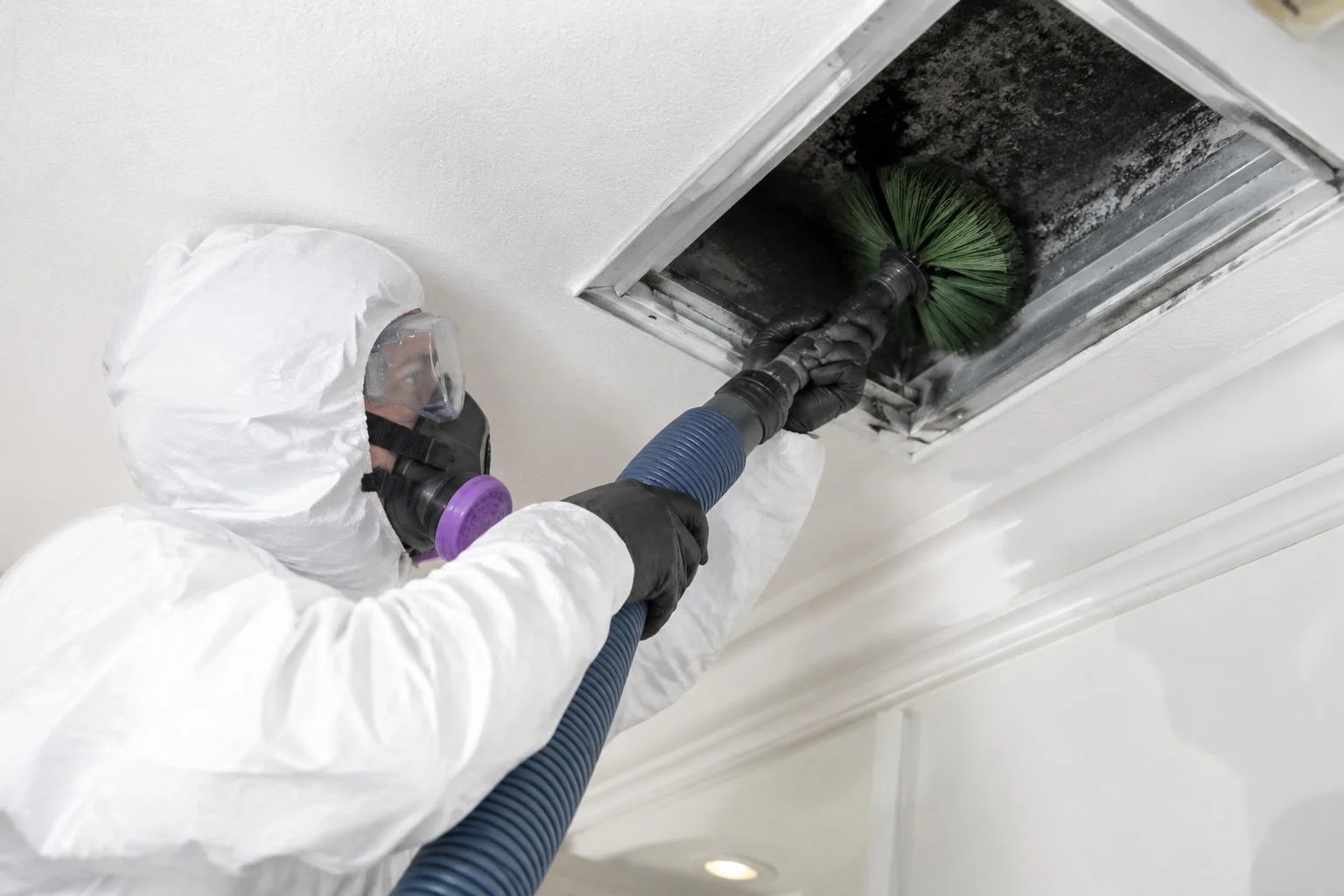
A dirty vent is not a mold diagnosis. Ductwork needs a material-specific plan and attention to moisture.
Read article
Aftercare · Published
What completion means, what independent clearance checks, and how to watch for new moisture after the work.
Read articleMold identification
Use these as a general reference only. Color does not identify a species or its risk; call for a phone consultation if you are unsure what you are seeing.
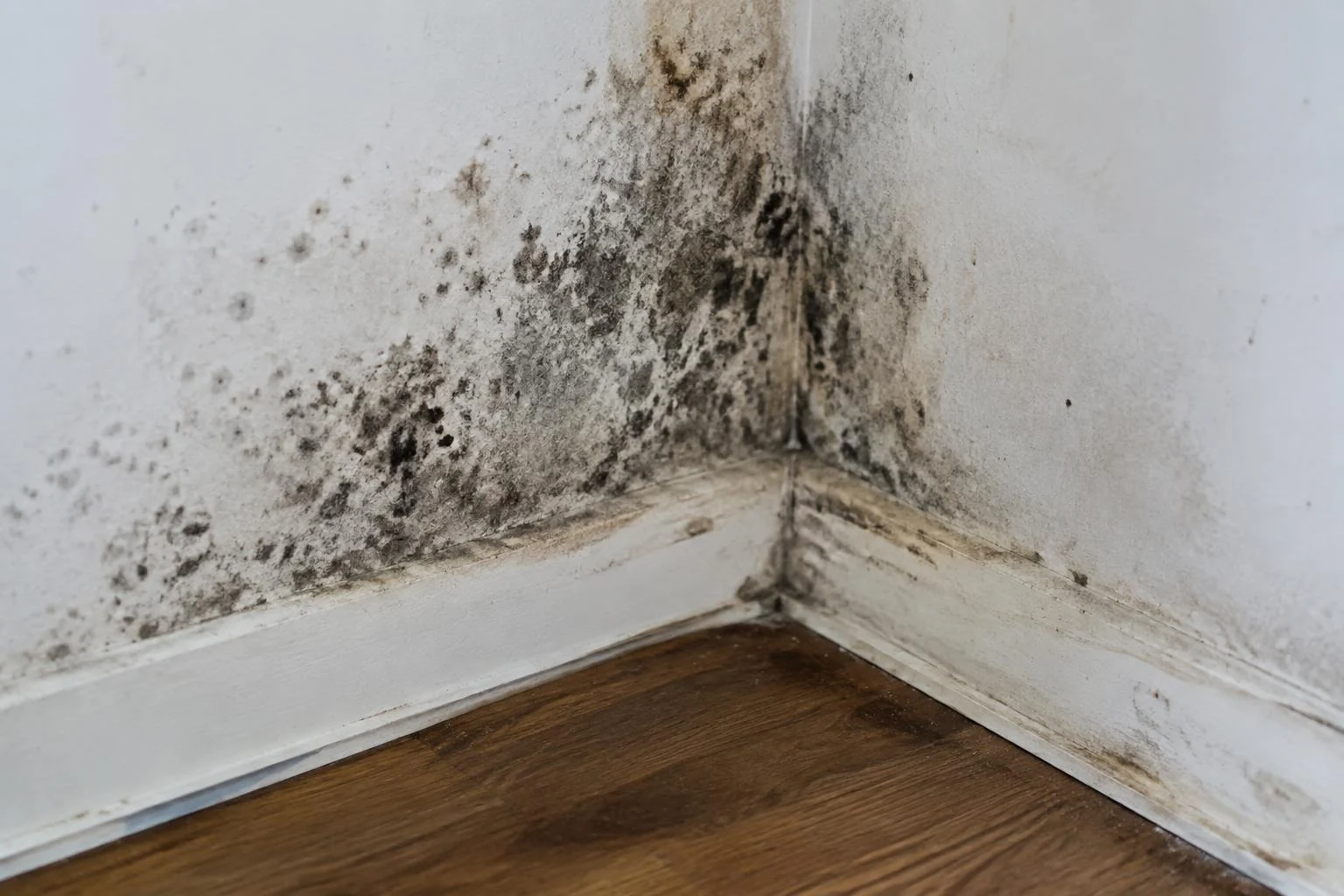
Black or dark mold
Many species appear dark. Color alone does not identify the type or the risk.
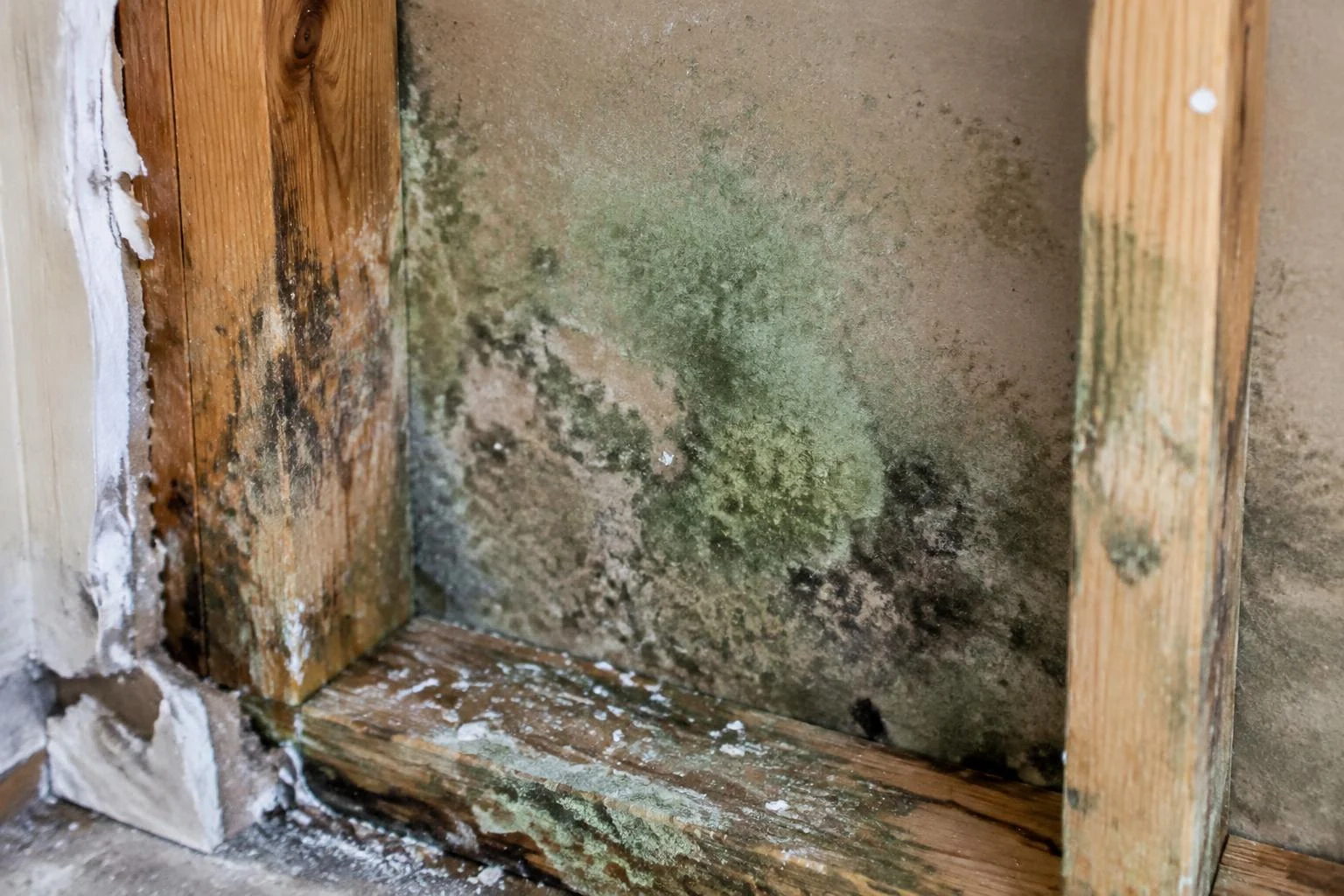
Growth inside wall cavities
Moisture can support hidden growth on framing and the back of drywall.
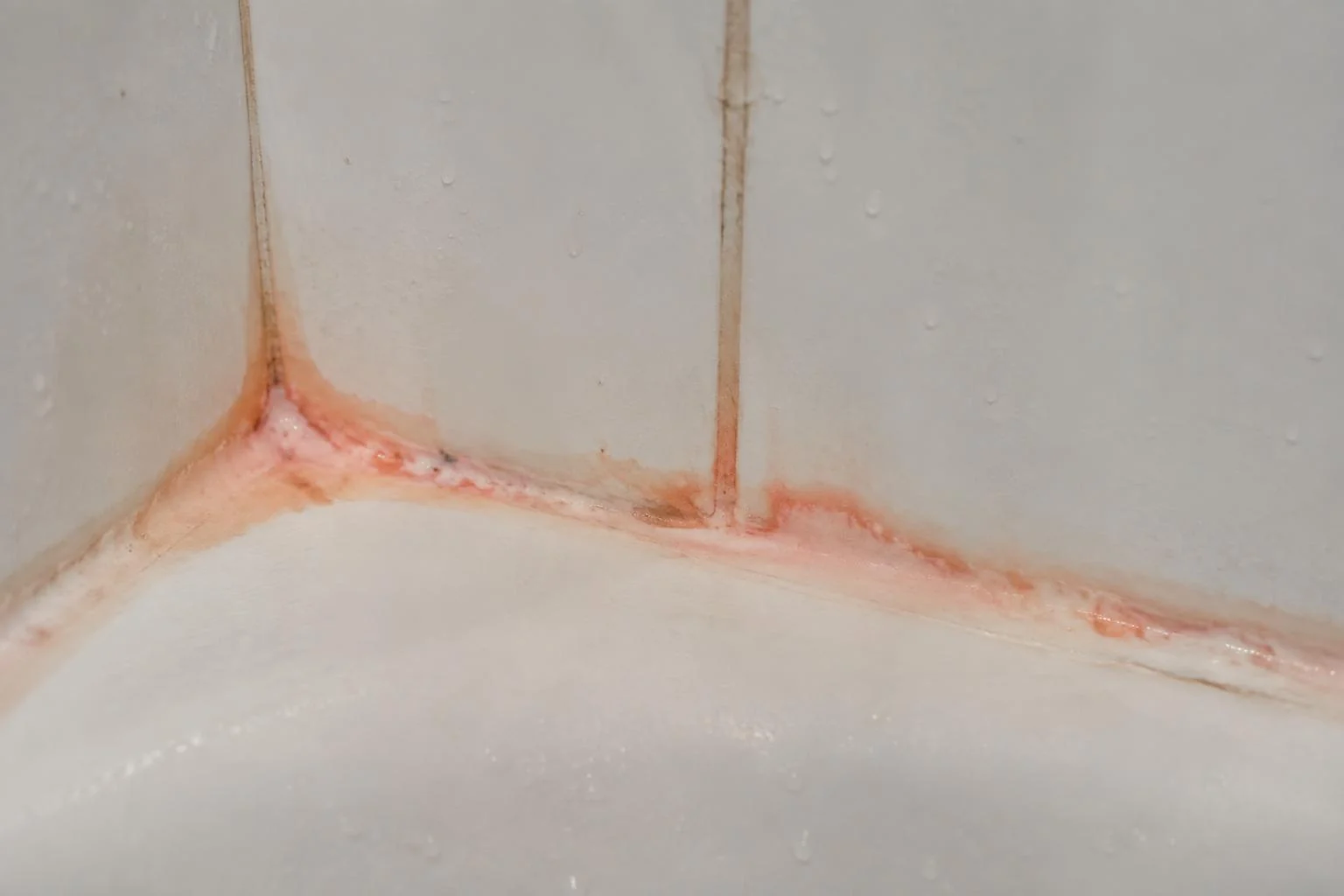
Moisture-related surface residue
Bathroom deposits are not always mold. An evaluation can distinguish suspect growth from other residue.
Concerned about black mold or “toxic mold”? Take indoor growth seriously, whatever its appearance. Some molds can produce mycotoxins under certain conditions, but color cannot identify a species, toxin production, or your exposure. All indoor mold growth should be addressed appropriately—not only growth described as black mold.
Can occur in household dust and on damp building materials. Many species exist; appearance alone is not a reliable identification.
Often associated with water-damaged materials, including wallpaper, insulation, and furnishings.
Found outdoors and indoors; may grow on damp surfaces, textiles, and wood.
Associated with persistently wet cellulose materials such as drywall paper. Not every dark mold is Stachybotrys.
Damp, moldy environments may cause allergic reactions, irritation, or worsen asthma; people with weakened immune systems may face additional risks. Effects vary, and some people have no symptoms. Do not wait for a specific species name before addressing moisture and growth. Routine mold samples do not establish mycotoxin exposure or diagnose illness.
A sample represents the location and time collected, not a guarantee that a property is mold-free. For symptoms or health concerns, speak with a qualified healthcare professional. CDC guidance on Stachybotrys and mold
Air and surfaces need different attention
These are not separate types of mold. Growth on a wall or belonging can release spores and fragments into the air, especially when disturbed. Particles can then settle into household dust. A surface that looks clean may still need evaluation, and an air sample alone cannot rule out hidden growth.
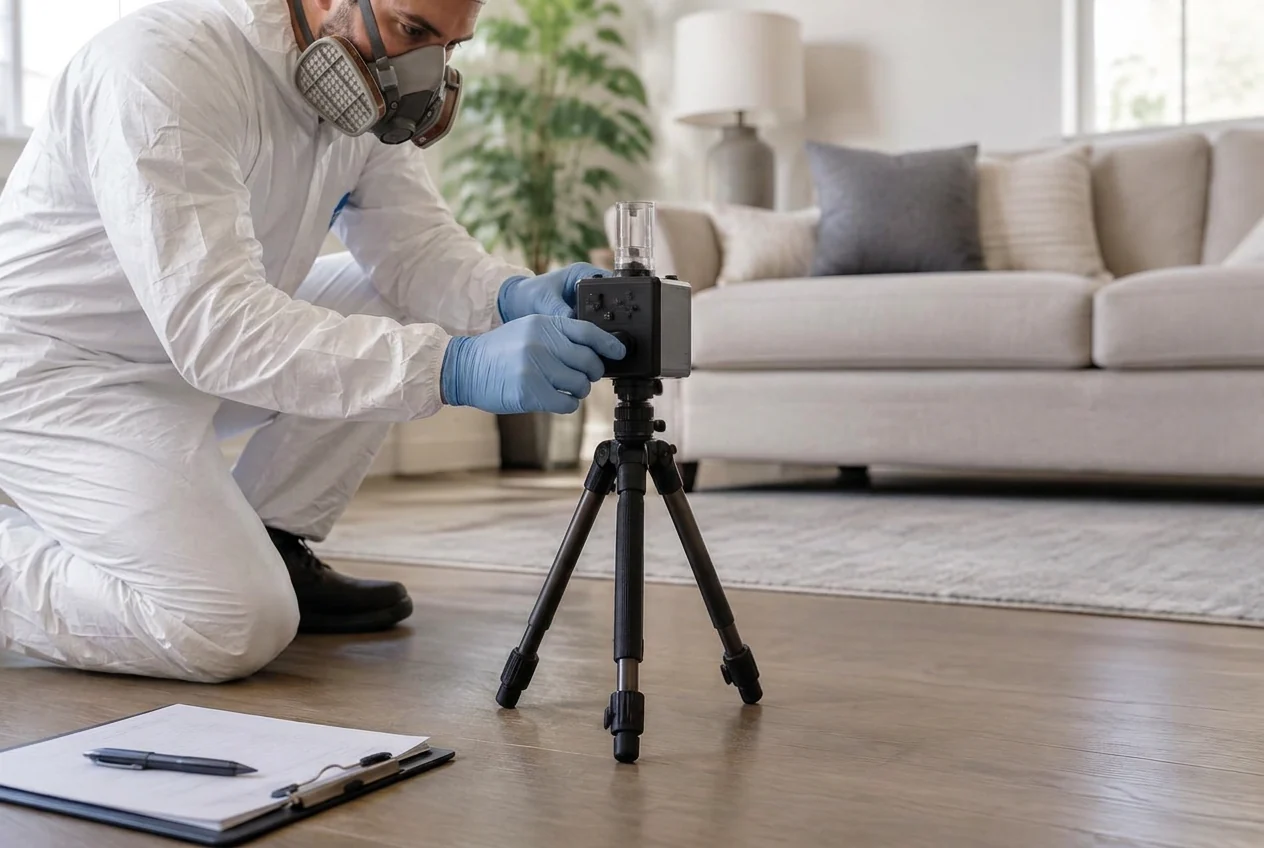
Targeted air sampling may help investigate a specific question, interpreted alongside moisture, visual findings, and appropriate comparison samples. It captures conditions at the time of collection—not a health diagnosis or a guarantee of safe air. Containment, negative air when appropriate, and HEPA filtration help control airborne particles while the source is removed.
Visual inspection and targeted tape-lift or other surface samples can help evaluate suspect deposits or cleaning results. Dust alone does not prove mold, and visible growth does not always require sampling. Surface contamination needs physical removal, HEPA vacuuming, appropriate cleaning, and moisture correction—not air filtration alone.
There is no federal airborne mold limit that certifies a home as safe. Testing and clearance criteria depend on the question, site conditions, and applicable protocol. EPA guidance on mold sampling
Household belongings & contents cleaning
Belongings affected by mold growth or contaminated dust need their own plan. We consider the material, visible condition, moisture history, accessibility, and value before recommending cleaning or disposal. Do not move suspect items through clean rooms or brush off deposits before the evaluation.
Visual inspection is the starting point. Targeted tape-lift samples may help distinguish suspect surface deposits or evaluate cleaning when the assessment calls for them. Sampling is not automatically required for every item; regulated work follows the independent assessment protocol.
For suitable dry items, our contents-cleaning sequence can include initial HEPA vacuuming, material-compatible chemical application where appropriate, wiping, thorough drying, and another HEPA vacuum pass. Multiple passes may be needed. Products are used according to their labels; chemicals do not replace physical removal.
Material-appropriate abrasive wet cleaning—controlled wet scrubbing—can remove adherent deposits on durable surfaces. It is not suitable for every finish or object. Avoid dry sanding that spreads dust. Items must be dried, reinspected, and evaluated against the cleaning scope before returning to a clean space.
Pores, fibers, and hidden layers can hold growth and moisture beyond reach. Actual growth inside an item is different from dust on its surface.
Washable clothing, curtains, and some textiles may be salvageable depending on contamination and laundering instructions. Valuable documents, art, and heirlooms may need a specialist conservator rather than automatic disposal.
Sound, accessible hard surfaces are usually easier to clean and dry, provided contamination has not entered hidden components.
Solid wood is porous but may be salvageable; it needs case-by-case evaluation. Electronics, upholstered items, hollow objects, and internal appliance parts may need specialist service. Do not spray chemicals into electronics or assume exterior wiping cleans the inside.
Not sure whether to keep an item? Call (512) 612-5866 to discuss cleaning and salvage options. Tell us what it is made of, whether it is wet, and whether you see growth or only settled dust. No cleaning method can guarantee every belonging is salvageable.
EPA guidance on porous materials and cleanup