
Family owned & operated
Our name is in our work.
Texas mold remediation rules and the 25-square-foot threshold
Call (512) 612-5866 for mold removal & remediation pricing and the next available estimate.
Understand contiguous area, independent assessment, state notice, and why larger work may not start the same day.
Newman Mold Company · Published
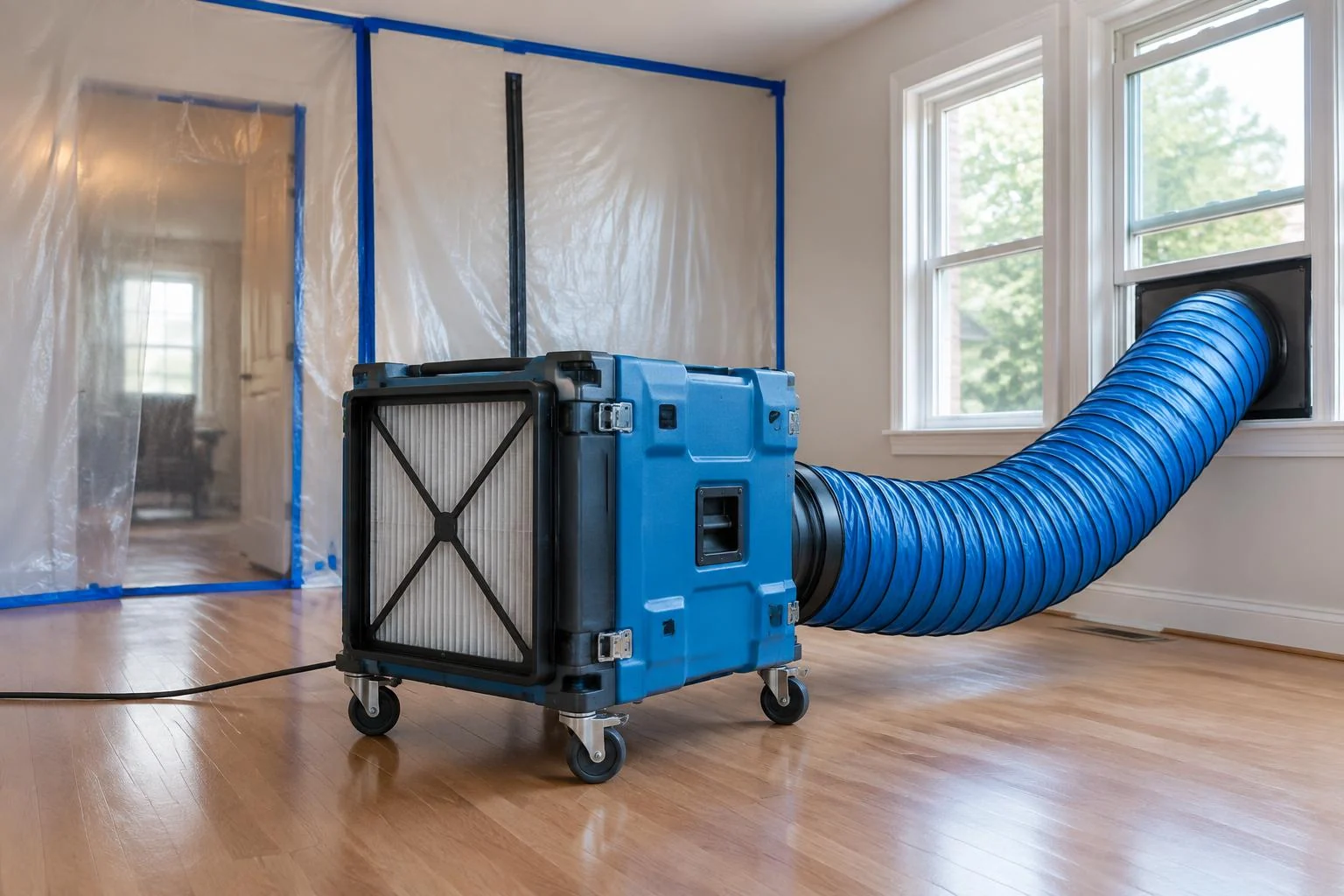
The threshold includes 25 square feet
Texas generally exempts mold remediation affecting less than 25 contiguous square feet from mold licensing requirements. At 25 contiguous square feet or more, regulated projects generally require licensed professionals and the associated process unless a specific exemption applies. The threshold is not simply more than 25 square feet.
Contiguous area and the applicable exemptions matter. A homeowner should not assume that an estimated small patch establishes the full scope or that a residential property is automatically outside the rules.
Assessment and remediation stay independent
For regulated work, a separate licensed mold assessment consultant develops a protocol and conducts post-remediation assessment. The remediation contractor performs the specified work. That separation protects the independence of the evaluation; a contractor should not describe its own check as independent clearance.
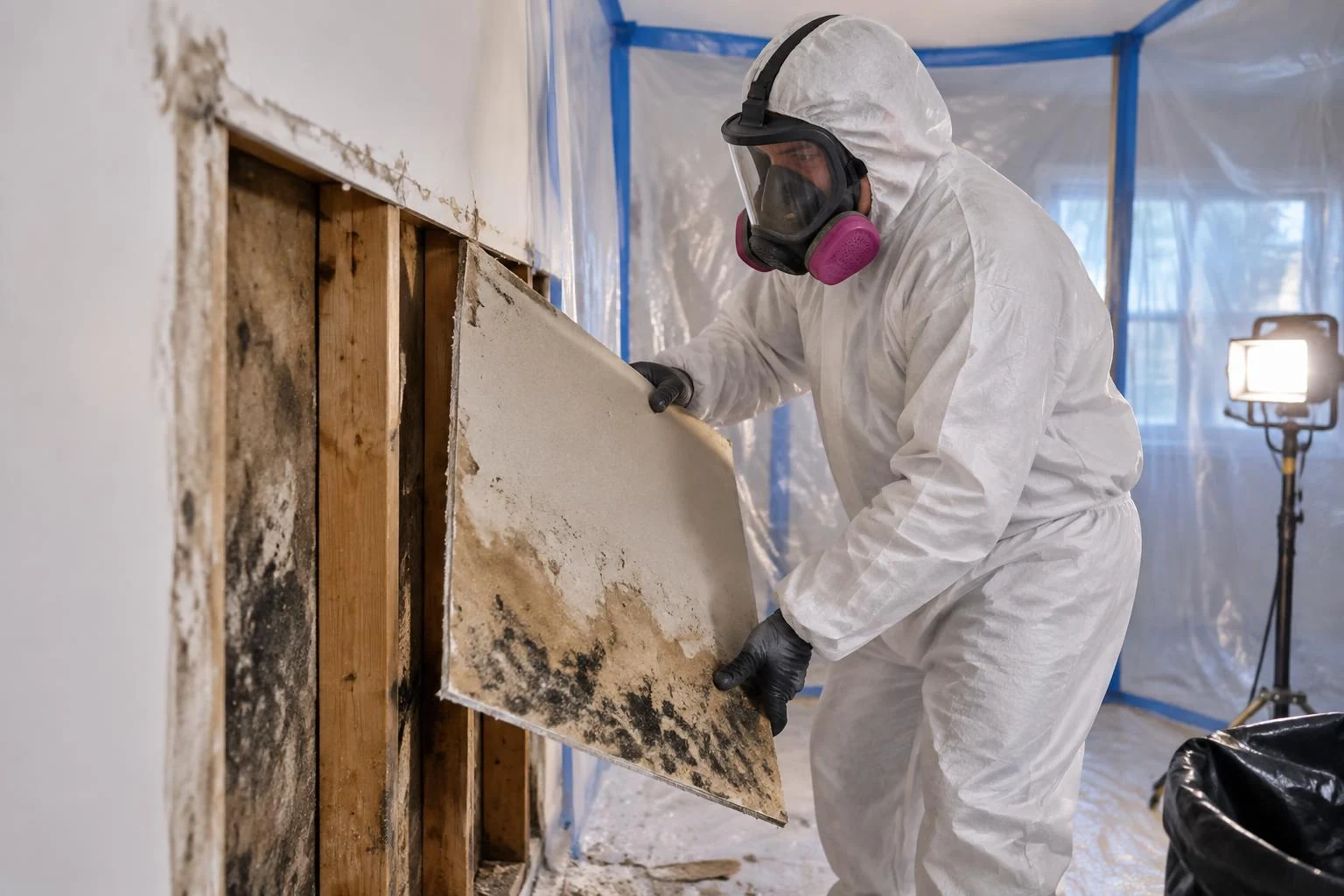
Notification affects the start date
TDLR requires mold remediation notification for covered projects involving 25 contiguous square feet or more. The rules include advance notice and a distinct process for qualifying emergencies. A desire for a quick start does not itself make a project an emergency. Our team reviews these requirements before scheduling work.
What to request from your contractor
Ask for license and insurance documentation, the written scope, the assessment protocol where required, and a clear explanation of clearance and completion documents. These considerations apply to residential and commercial work under the applicable rules. Use TDLR guidance for current requirements rather than relying only on a short website summary.
Sources & further reading
General property guidance, not medical or legal advice. Methods, requirements, and recommendations depend on site conditions and the applicable scope. For health concerns, consult a qualified healthcare professional.