
Family owned & operated
Our name is in our work.
Austin · Hill Country Area
Newman Mold Company
Mold Removal & Remediation
Call (512) 612-5866 for mold removal & remediation pricing and the next available estimate.
Professional mold remediation services throughout Central Texas. Protecting people. Protecting homes. Remediation is a serious matter, large or small — every project is handled precisely: find the source, contain the affected area, and put a plan in place so it does not come back.
Insured · TDLR licensed · Licensed onsite workers
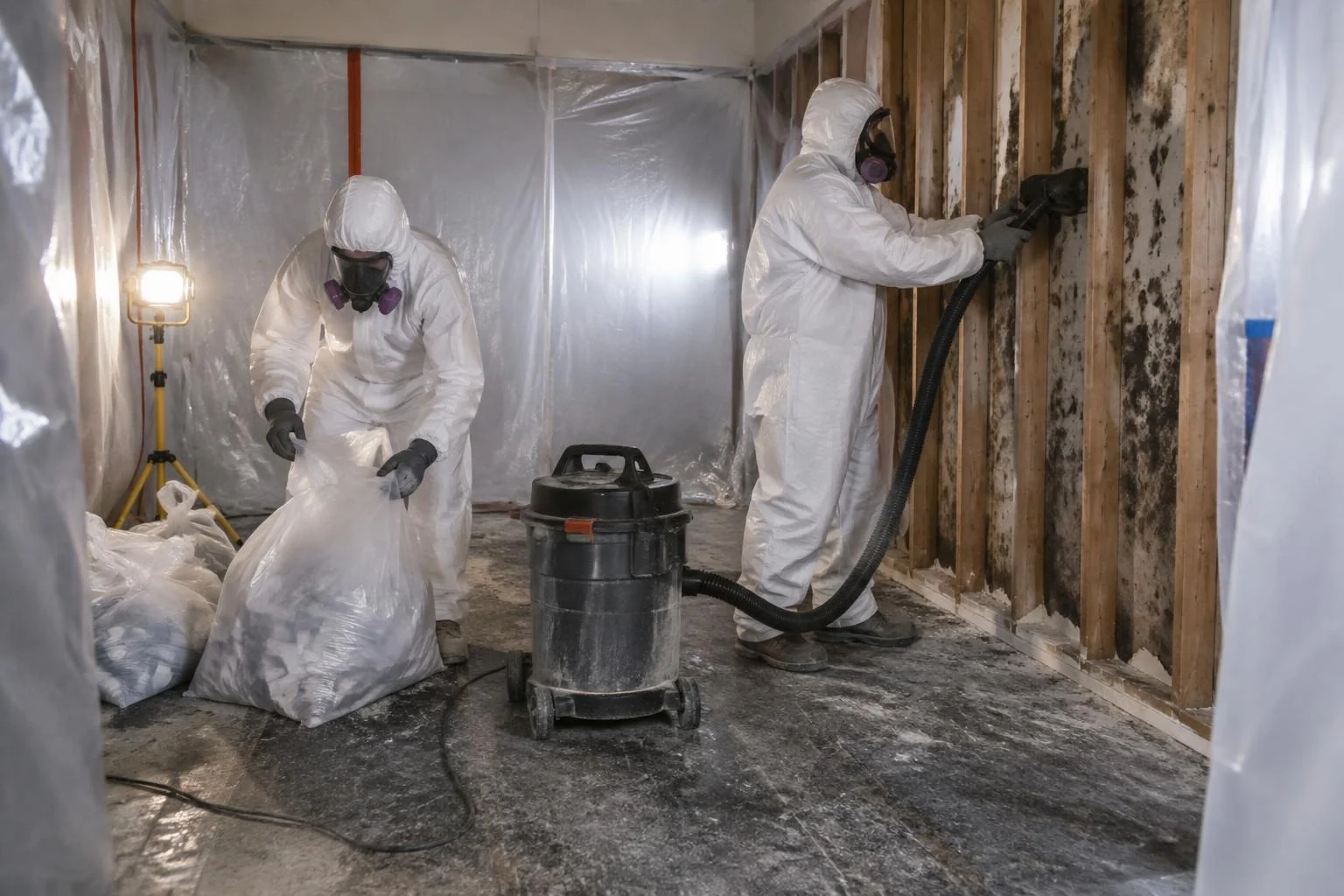
Family owned & operated · Licensed crews onsite
- IICRCCertified
- Mold RemediationTDLR Licensed
- EPACertified
- FullyInsured
Same-day availability
Same-day mold removal & remediation
For residential and commercial properties. Call early to check availability for an onsite estimate or eligible remediation work.
Same-day onsite estimates
Same-day estimate visits are often available depending on location and scheduling. We review the affected area, find the moisture source, and explain the scope and price.
Removal depends on the scope
Same-day removal may be possible for eligible smaller jobs. Size, access, moisture conditions, materials, and Texas requirements determine when work can begin and how long it takes.
25 contiguous square feet or more
Regulated projects generally require independent assessment, a remediation protocol, licensed remediation, and clearance. Required state notification can prevent a same-day start; qualifying emergencies follow a separate notice process. Texas notification requirements
Answers before decisions
Concerned about mold in your home?
You do not need to know the mold type or the size of the job before contacting us. Tell us what changed, where you noticed it, and whether there has been a leak. We explain what an onsite evaluation can answer without assuming every concern needs extensive removal.
Musty odors or hidden moisture
An odor is a reason to investigate, not a diagnosis. Damp cabinets, recurring stains, condensation, and softened drywall can point to a moisture source even when growth is not visible.
Your family and indoor air
Mold may cause irritation or allergic symptoms in some people. Symptoms alone cannot identify a building problem. Discuss health concerns with your clinician; we focus on property conditions and the work required.
Disruption, cost, and belongings
Before work, ask which rooms need containment, what materials may be removed, how belongings will be protected, and whether occupancy is appropriate. These decisions depend on the scope and your household.
Unsure whether it is a testing question or a removal job? Ask our team · (512) 612-5866
What you may be seeing
Recognizing mold and hidden moisture
Mold and moisture-related growth can look very different from one home to the next. Color does not tell you the species or the risk — the moisture source and the extent of growth matter most. Not sure what you have? A phone consultation is free.
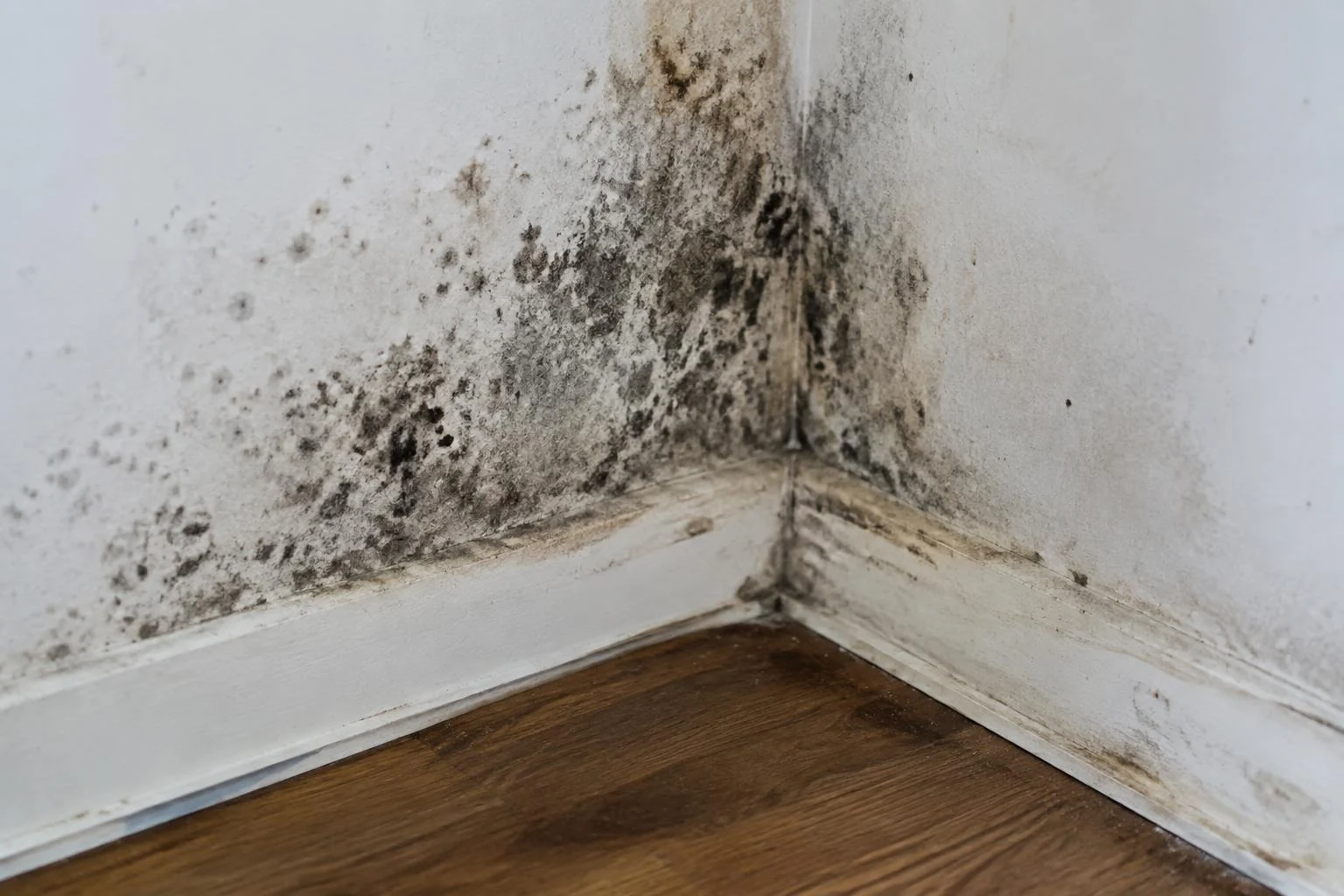
Black or dark mold
Many species appear dark. Color alone does not identify the type or the risk.
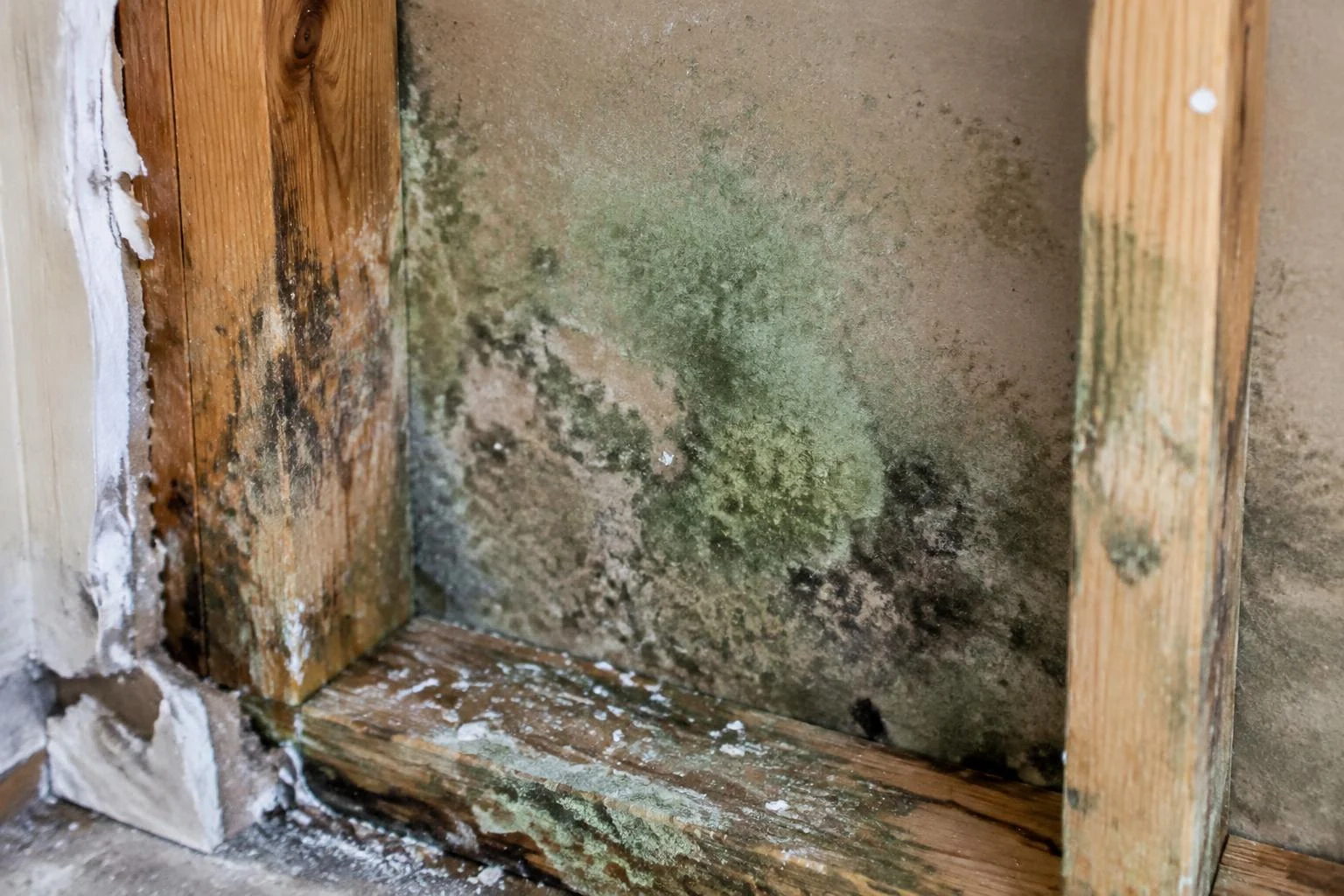
Growth inside wall cavities
Moisture can support hidden growth on framing and the back of drywall.
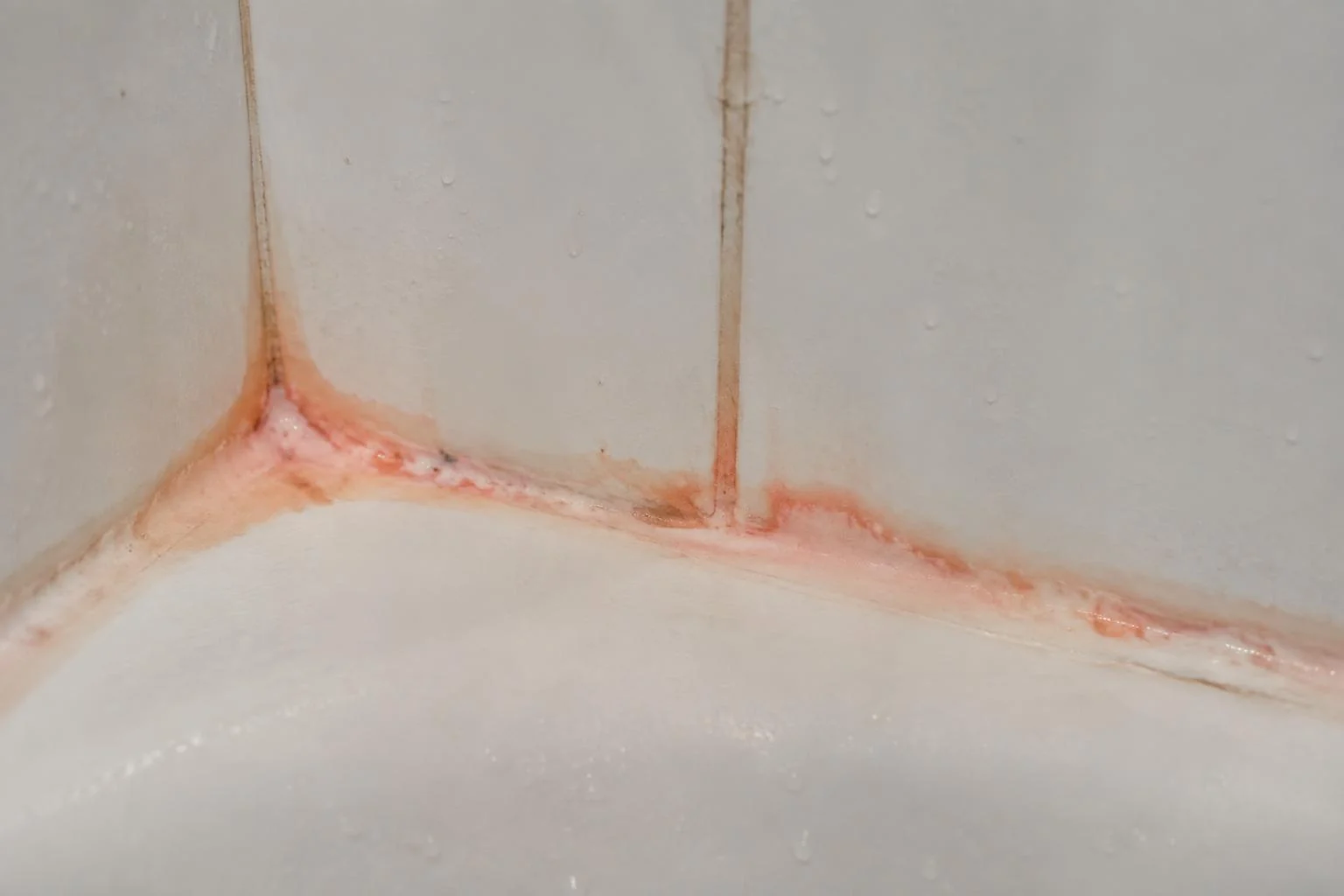
Moisture-related surface residue
Bathroom deposits are not always mold. An evaluation can distinguish suspect growth from other residue.
Air and surfaces need different attention
Airborne spores vs. mold on surfaces
These are not separate types of mold. Growth on a wall or belonging can release spores and fragments into the air, especially when disturbed. Particles can then settle into household dust. A surface that looks clean may still need evaluation, and an air sample alone cannot rule out hidden growth.
Airborne contamination
Targeted air sampling may help investigate a specific question, interpreted alongside moisture, visual findings, and appropriate comparison samples. It captures conditions at the time of collection—not a health diagnosis or a guarantee of safe air. Containment, negative air when appropriate, and HEPA filtration help control airborne particles while the source is removed.
Surface growth and settled dust
Visual inspection and targeted tape-lift or other surface samples can help evaluate suspect deposits or cleaning results. Dust alone does not prove mold, and visible growth does not always require sampling. Surface contamination needs physical removal, HEPA vacuuming, appropriate cleaning, and moisture correction—not air filtration alone.
There is no federal airborne mold limit that certifies a home as safe. Testing and clearance criteria depend on the question, site conditions, and applicable protocol. EPA guidance on mold sampling
Controlled work, not a surface cover-up
How we remove mold and protect the surrounding space
We select methods for the affected materials, moisture conditions, and required protocol. Not every job needs every method; your estimate explains what is included.
01
Containment & negative air
We isolate the work area and use negative air as the scope requires to help limit the movement of dust and spores into adjoining spaces.
02
HEPA air filtration
HEPA-equipped air scrubbers filter airborne particles during controlled remediation. Filtration supports the work; it does not replace removing affected material or correcting moisture.
03
Affected-material removal
We remove materials that cannot be adequately cleaned, with controlled handling of debris. Salvageable surfaces are evaluated rather than automatically discarded.
04
HEPA vacuuming & surface cleaning
We use HEPA vacuuming and appropriate surface cleaning to remove settled debris and contamination. Painting over growth is not a substitute for remediation.
05
Duct cleaning or removal
When ductwork is affected and included in the scope, we clean or remove it as appropriate. Suspected HVAC contamination needs evaluation; routine duct cleaning is not automatically mold remediation.
06
Dehumidification, without air movers
We use dehumidifiers to manage moisture and air scrubbers for filtration. We do not use air movers on mold jobs because uncontrolled airflow can disperse spores.
For regulated projects, independent clearance checks the work against protocol criteria. A completed cleanup is not a guarantee that a future leak cannot cause new growth.
Household belongings & contents cleaning
What can be cleaned—and what may need to go?
Belongings affected by mold growth or contaminated dust need their own plan. We consider the material, visible condition, moisture history, accessibility, and value before recommending cleaning or disposal. Do not move suspect items through clean rooms or brush off deposits before the evaluation.
Inspect & evaluate
Visual inspection is the starting point. Targeted tape-lift samples may help distinguish suspect surface deposits or evaluate cleaning when the assessment calls for them. Sampling is not automatically required for every item; regulated work follows the independent assessment protocol.
Clean in controlled passes
For suitable dry items, our contents-cleaning sequence can include initial HEPA vacuuming, material-compatible chemical application where appropriate, wiping, thorough drying, and another HEPA vacuum pass. Multiple passes may be needed. Products are used according to their labels; chemicals do not replace physical removal.
Match the method to the material
Material-appropriate abrasive wet cleaning—controlled wet scrubbing—can remove adherent deposits on durable surfaces. It is not suitable for every finish or object. Avoid dry sanding that spreads dust. Items must be dried, reinspected, and evaluated against the cleaning scope before returning to a clean space.
Porous: harder to fully clean
Pores, fibers, and hidden layers can hold growth and moisture beyond reach. Actual growth inside an item is different from dust on its surface.
Often discarded when growth is embedded or cleaning is impractical
- Mold-contaminated carpet and padding.
- Mattresses, pillows, foam cushions, and heavily affected upholstered furniture.
- Swollen or mold-affected particleboard and MDF furniture.
- Low-value mold-damaged cardboard, paper, and books.
- Mold-affected drywall, insulation, and ceiling tiles.
Washable clothing, curtains, and some textiles may be salvageable depending on contamination and laundering instructions. Valuable documents, art, and heirlooms may need a specialist conservator rather than automatic disposal.
Nonporous: often cleanable
Sound, accessible hard surfaces are usually easier to clean and dry, provided contamination has not entered hidden components.
Common candidates for professional cleaning
- Glassware, mirrors, and intact glazed ceramics.
- Metal furniture, utensils, and accessible hardware.
- Hard plastic containers and suitable washable toys.
- Intact sealed furniture surfaces and accessible appliance exteriors.
- Solid wood furniture, evaluated for finish, depth of damage, and moisture.
Solid wood is porous but may be salvageable; it needs case-by-case evaluation. Electronics, upholstered items, hollow objects, and internal appliance parts may need specialist service. Do not spray chemicals into electronics or assume exterior wiping cleans the inside.
Not sure whether to keep an item? Call (512) 612-5866 to discuss cleaning and salvage options. Tell us what it is made of, whether it is wet, and whether you see growth or only settled dust. No cleaning method can guarantee every belonging is salvageable.
EPA guidance on porous materials and cleanupControlled, professional work
Equipment and methods on a remediation job
Containment, negative air, PPE-equipped workers, HEPA vacuuming, treatment, and duct work — selected for each scope, never a one-size-fits-all spray.
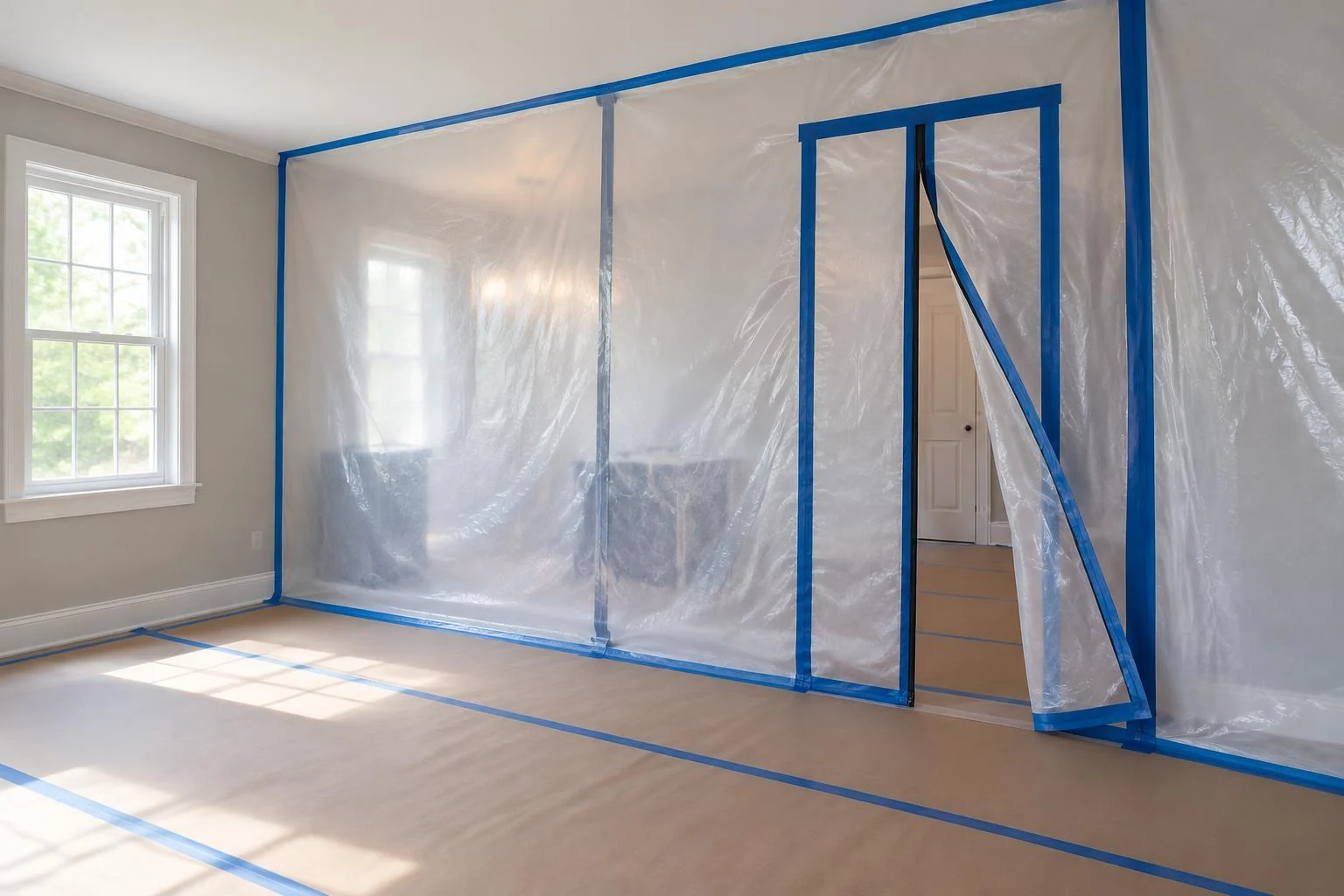
Containment barrier
Plastic sheeting with taped seams and a zipper entry isolates the work area.
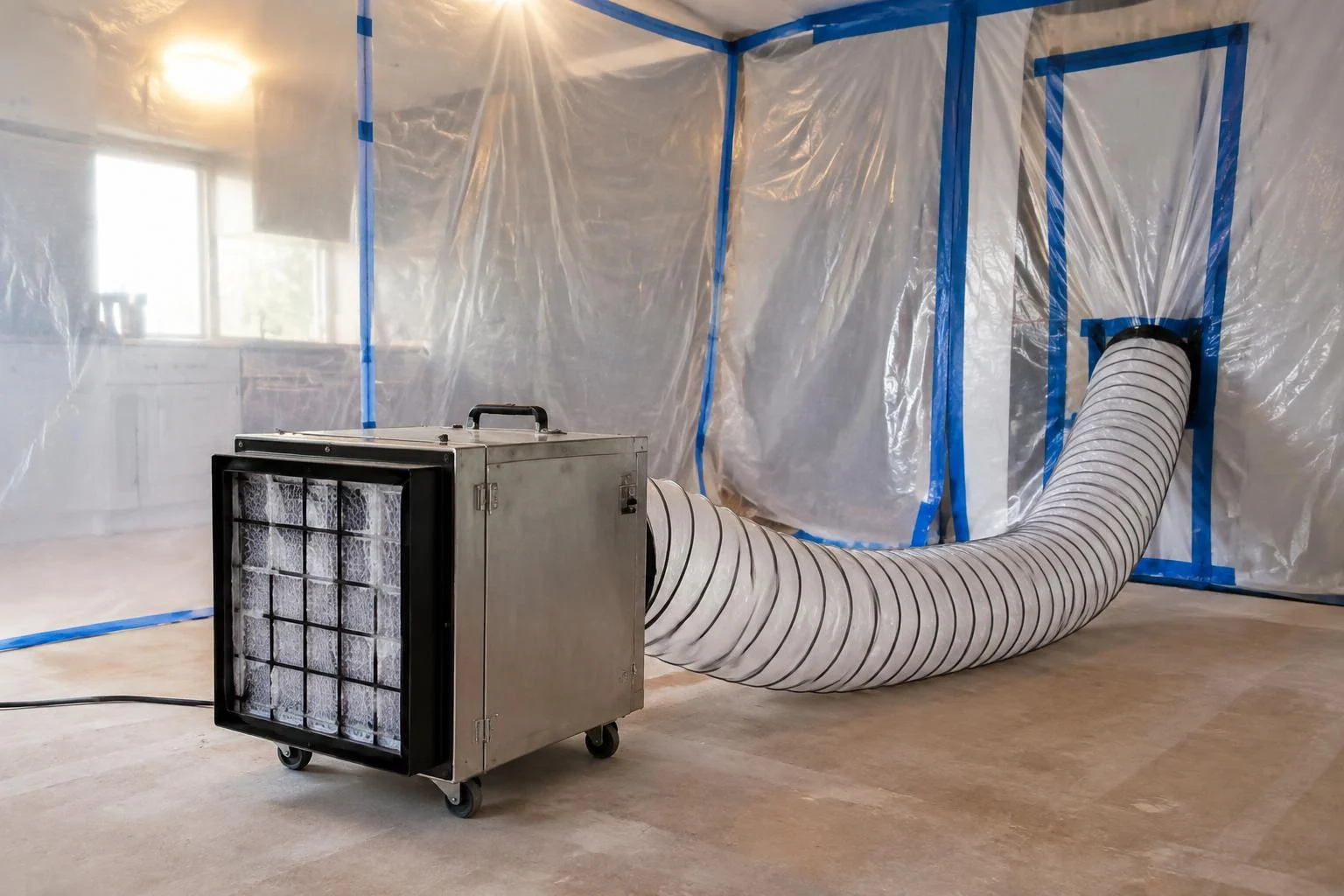
Air scrubber inside containment
Lay-flat ducting carries filtered exhaust through the barrier to keep the work area under negative pressure.
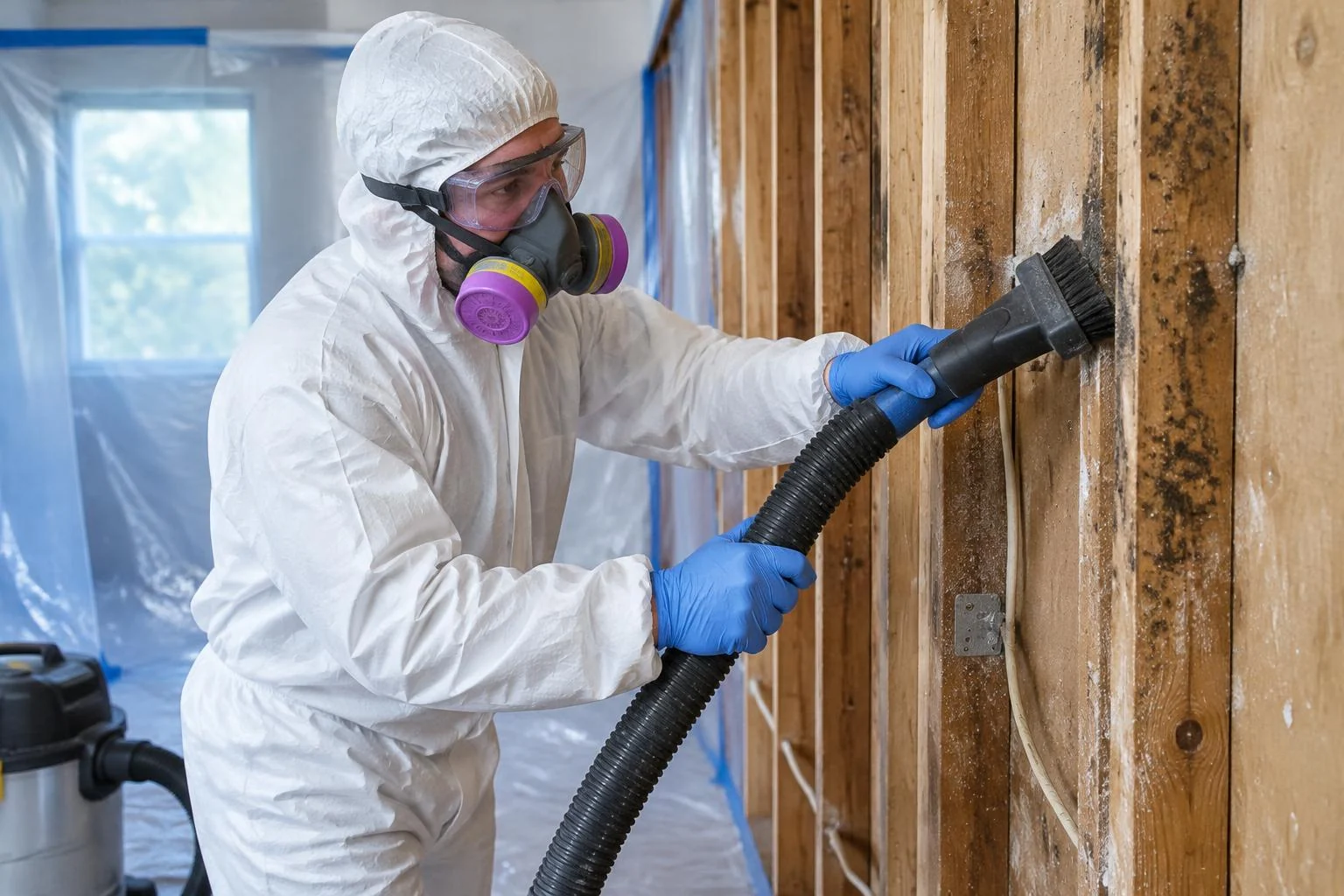
Detailed HEPA cleaning
HEPA vacuuming removes settled contamination from accessible framing as part of the cleaning sequence.
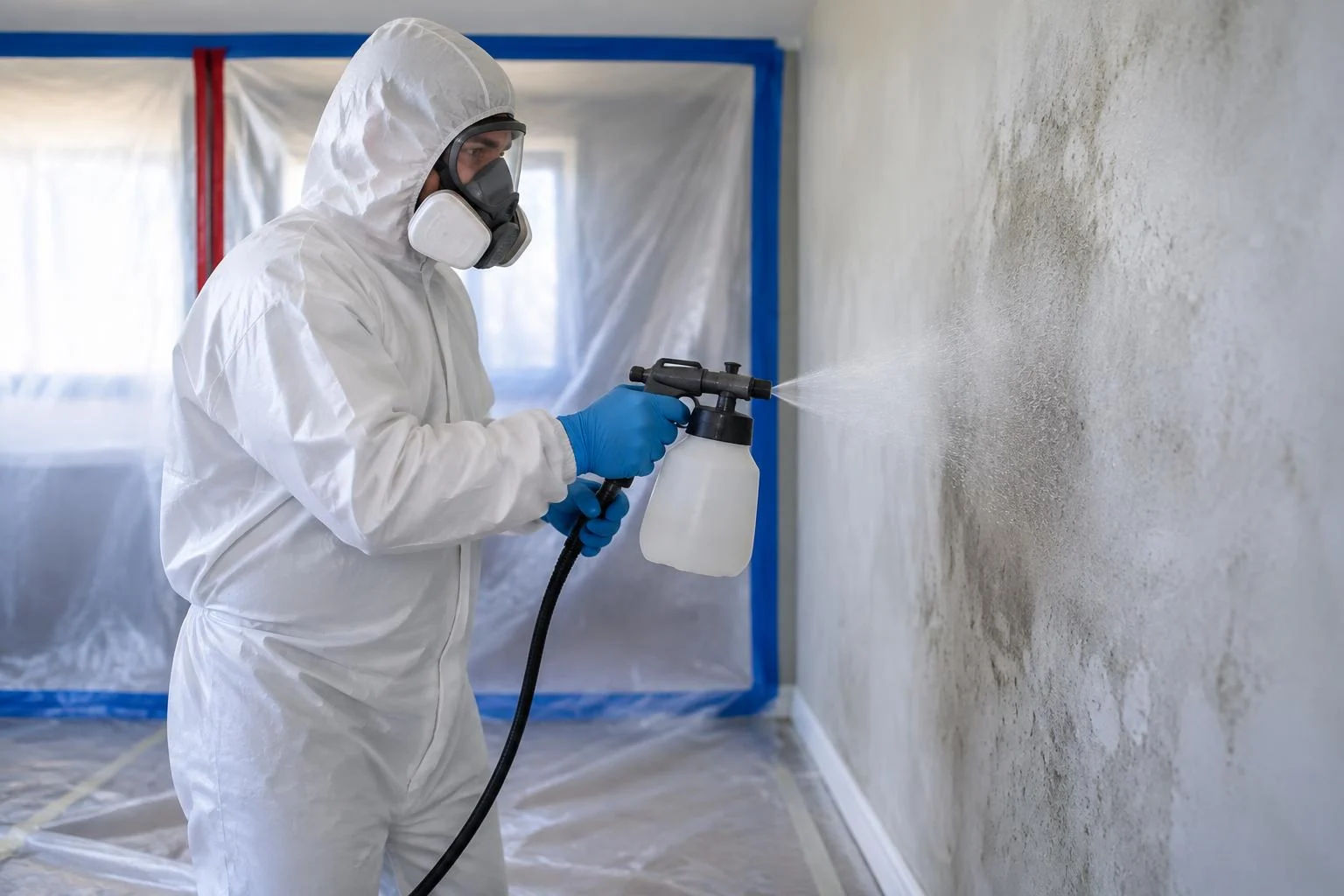
Treatment application
Affected surfaces receive antimicrobial treatment as the scope requires.
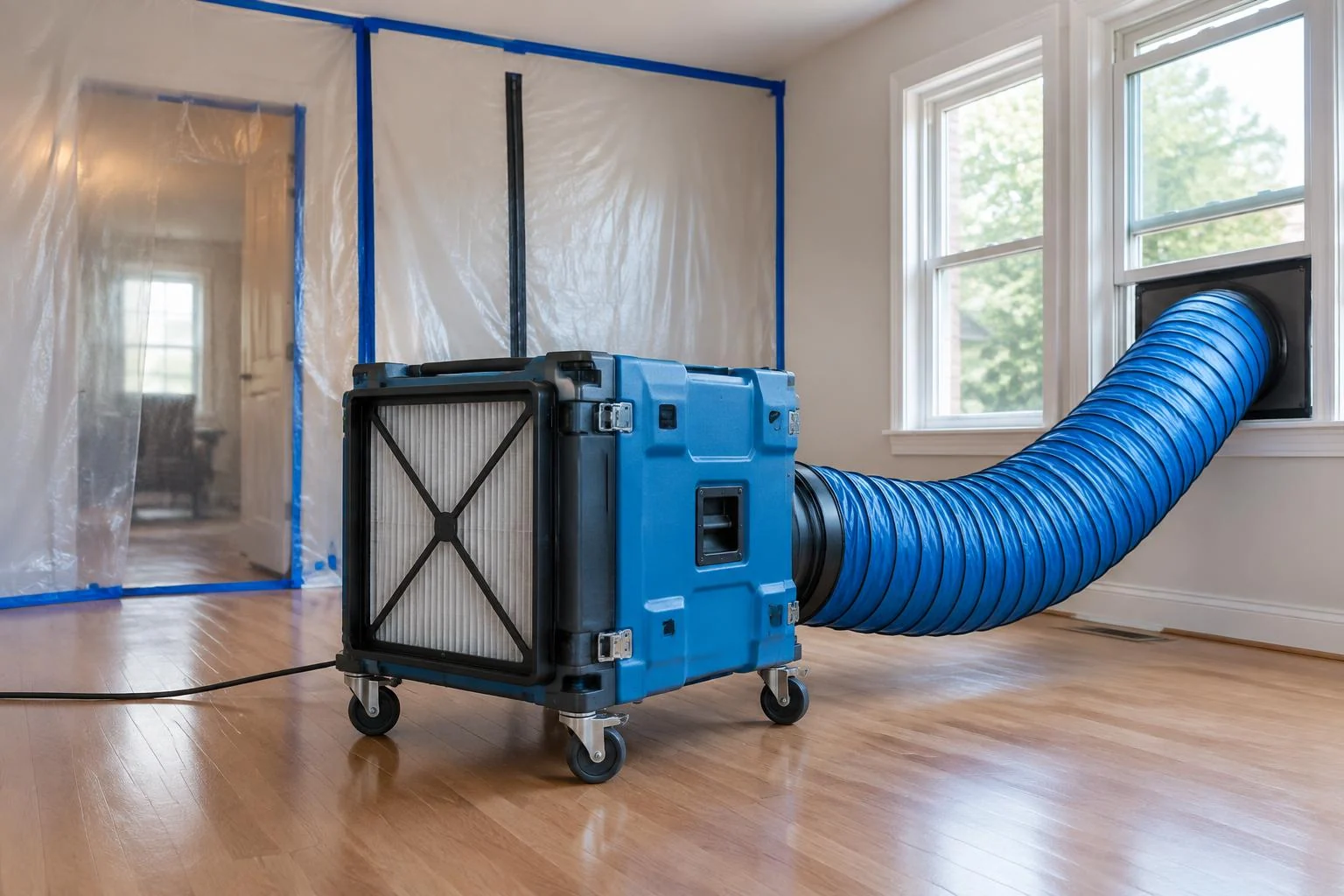
Negative air with ducting
A HEPA machine ducts filtered air out of the contained space.
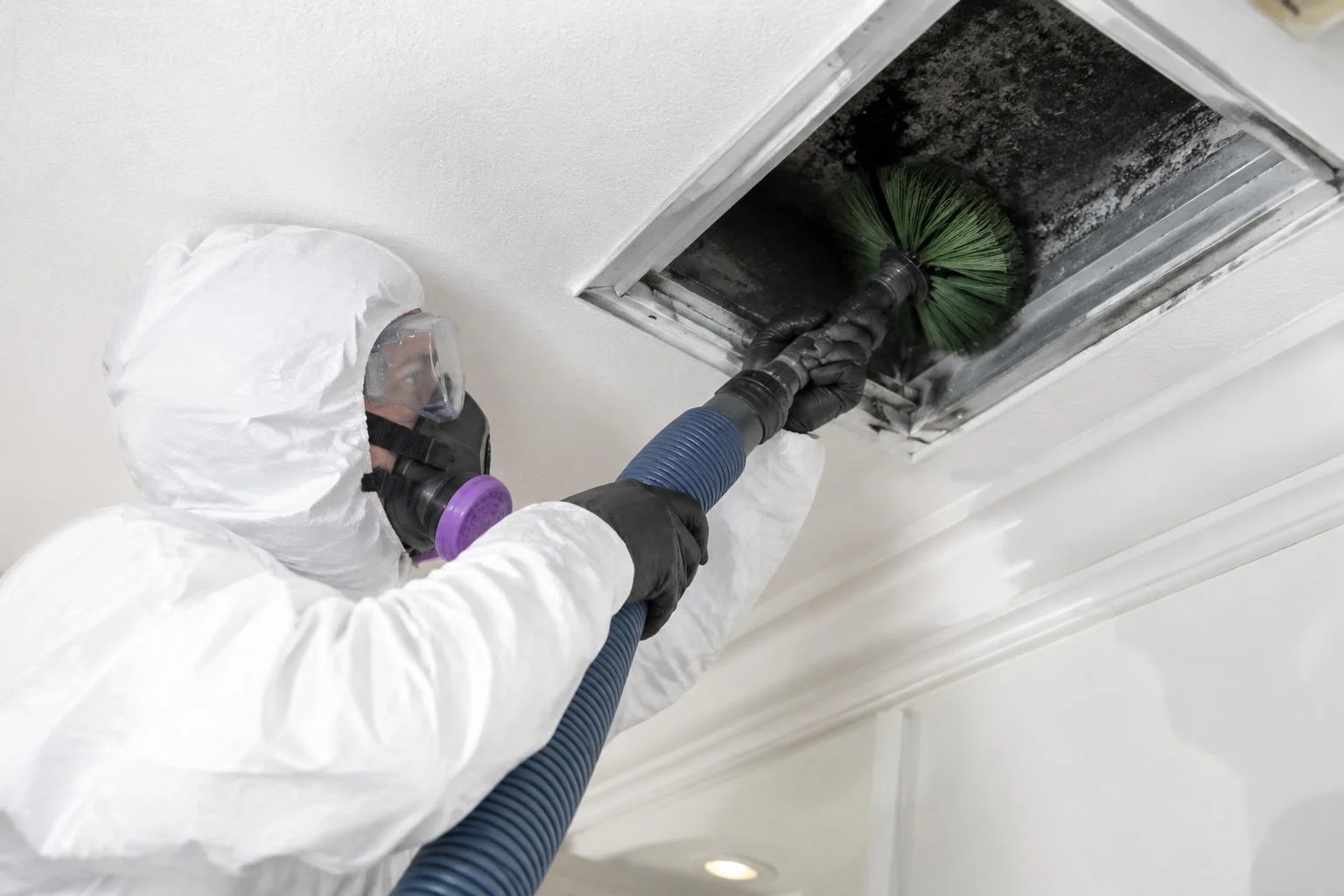
Duct cleaning & removal
Affected ductwork is cleaned with brushes and HEPA vacuums, or removed and replaced when needed.
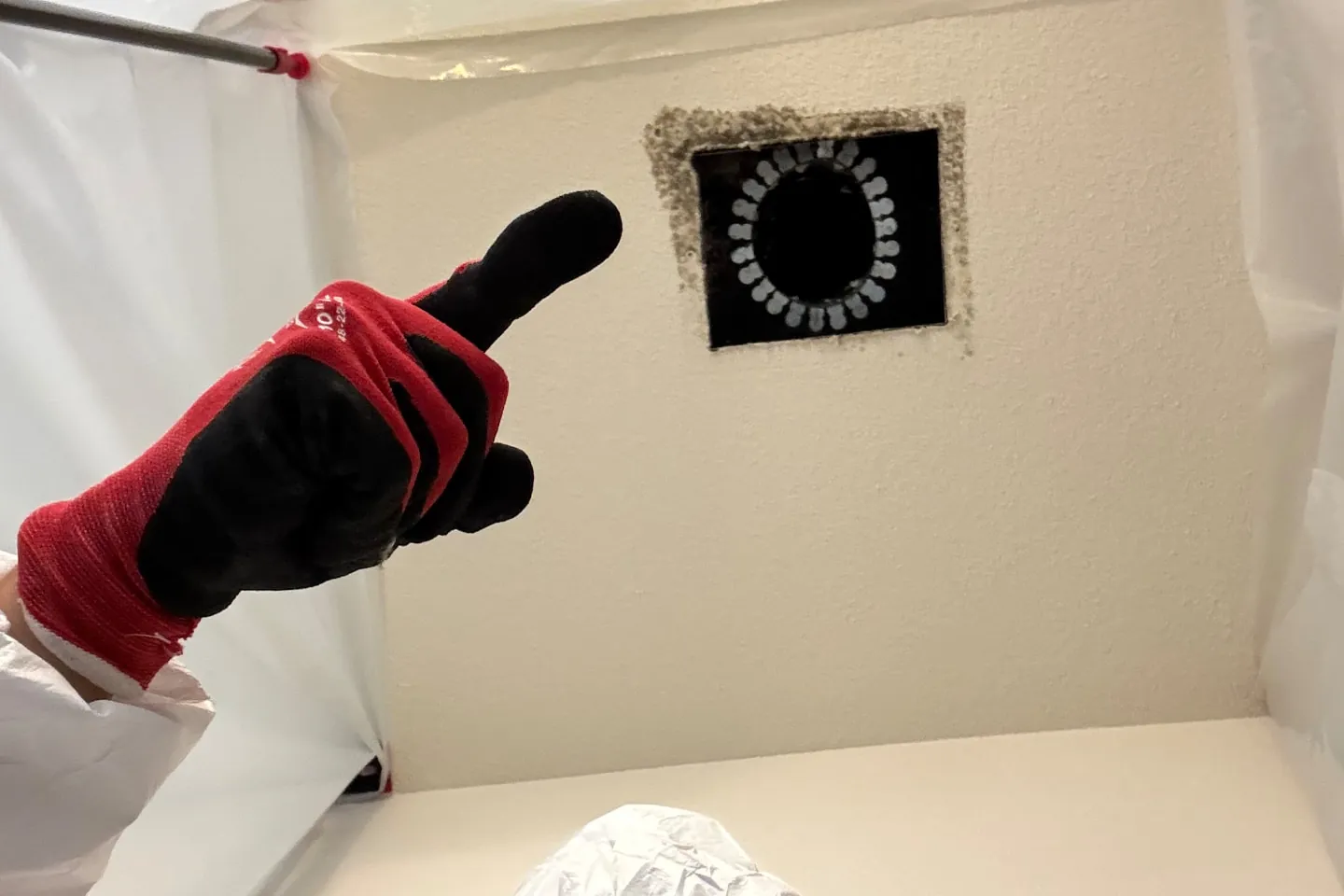
The source matters
Removal is only part of a lasting solution
Mold needs moisture. A plumbing leak, roof intrusion, AC drain issue, condensation, or excess indoor humidity can keep feeding growth after cleaning. We identify likely sources and explain corrective steps; plumbing, roofing, or HVAC repairs may require the appropriate trade.
We discuss how moisture correction fits the job before closing affected areas or moving to clearance. Ask what needs to be repaired, who will handle it, and how dryness will be evaluated.
Practical prevention at home
- Repair leaks promptly and check under sinks, around windows, and near AC drain lines.
- Monitor humidity with a hygrometer. EPA recommends keeping it below 60%, ideally 30–50% when practical.
- Vent bathrooms and cooking areas outdoors and maintain HVAC drainage and filters.
- Dry water-damaged materials promptly; EPA recommends addressing wet areas within 24–48 hours to help prevent growth.
- Keep an eye on previously affected areas. A returning odor or stain deserves attention, not just another coat of paint.
From first concern to completed work
The mold remediation process
- 01
Free phone consultation
Describe the concern and your location. We give pricing guidance and check the next available onsite estimate.
- 02
Onsite evaluation
We review affected areas and moisture sources, explain the scope, and discuss prevention.
- 03
A clear written scope
You get a defined scope and price before work starts. Regulated projects (25+ contiguous sq ft) follow an independent licensed protocol.
- 04
Professional remediation
Licensed onsite workers contain the area and remove or clean affected materials according to the scope and required protocol.
- 05
Independent clearance
For regulated projects, a separate licensed assessment consultant verifies that the work meets clearance criteria.
- 06
Prevention & follow-through
We explain moisture-control solutions and the warranty terms for your remediation work.
Black mold, toxic mold concerns & common types
Concerned about black mold or “toxic mold”? Take indoor growth seriously, whatever its appearance. Some molds can produce mycotoxins under certain conditions, but color cannot identify a species, toxin production, or your exposure. All indoor mold growth should be addressed appropriately—not only growth described as black mold.
Aspergillus
Can occur in household dust and on damp building materials. Many species exist; appearance alone is not a reliable identification.
Penicillium
Often associated with water-damaged materials, including wallpaper, insulation, and furnishings.
Cladosporium
Found outdoors and indoors; may grow on damp surfaces, textiles, and wood.
Stachybotrys
Associated with persistently wet cellulose materials such as drywall paper. Not every dark mold is Stachybotrys.
Damp, moldy environments may cause allergic reactions, irritation, or worsen asthma; people with weakened immune systems may face additional risks. Effects vary, and some people have no symptoms. Do not wait for a specific species name before addressing moisture and growth. Routine mold samples do not establish mycotoxin exposure or diagnose illness.
A sample represents the location and time collected, not a guarantee that a property is mold-free. For symptoms or health concerns, speak with a qualified healthcare professional. CDC guidance on Stachybotrys and mold
Family owned & operated
Our name is in our work.
Led by owner Austin Newman, our family-oriented company treats your home as if it were our own. Mold is a serious matter. We approach it with precision, clear communication, and respect for your property.
We look for the source, explain practical prevention measures, and stand behind our remediation work. Ask about the warranty and terms for your project.
Professional standards. Personal accountability.
Insurance and TDLR licensure
Licensed workers onsite
Clear scope and onsite estimates
Required protocols and independent clearance
Request license and insurance documentation during your consultation.
Service area
Cities & communities we serve
Newman Mold Company provides mold removal and remediation across Austin, the Austin metro, and the Hill Country Area — including:
- Austin
- Round Rock
- Georgetown
- Cedar Park
- Leander
- Pflugerville
- Hutto
- Manor
- Lakeway
- Bee Cave
- Dripping Springs
- Liberty Hill
- Lago Vista
- San Marcos
- New Braunfels
- Kyle
- Buda
- Wimberley
- Canyon Lake
- Seguin
- Marble Falls
Don't see your community? Call (512) 612-5866 to confirm coverage and the next available estimate.
Mold service questions · Central Texas
How much does mold remediation cost?
Cost depends on the area affected, materials, access, containment, moisture conditions, and any required clearance. Call for pricing guidance, then we confirm the scope and price at the onsite estimate.
Can you remove mold the same day?
Some smaller, eligible jobs may begin the same day, subject to crew availability and site conditions. Larger or regulated work may need a protocol and state notification first. Same-day service is never a promise of same-day completion.
Will mold come back after removal?
Mold can return if moisture remains or a new leak develops. We find the source, explain prevention, and stand behind our work. Ask about warranty terms for your job.
What does Texas require for larger mold projects?
Texas generally exempts remediation affecting less than 25 contiguous square feet from mold licensing requirements. At 25 contiguous square feet or more, regulated projects generally require licensed assessment, a remediation protocol, licensed remediation, and independent clearance, unless a specific exemption applies. Notice requirements may affect the start date. We review the scope before scheduling.
Do you handle homes and commercial properties?
Yes. We remediate residential and commercial properties across Austin and the Hill Country Area.
Do I need mold testing before remediation?
Usually not when growth is visible and the moisture source is known — an onsite remediation estimate is the right next step. When testing is needed or required, it is performed separately by an independent, Texas-licensed professional, and we can connect you.
See all 30+ mold remediation questions
The Newman mold guide
Practical answers for homeowners
Prevention
How to reduce mold risk from indoor humidity in Central Texas
Humidity monitoring, leak repairs, ventilation, and maintenance work together; no single device replaces source control.
Read articleRemoval methods
Containment, HEPA filtration, and negative air during mold removal
What the barriers and filtration equipment do—and why cleanup should not spread the problem into neighboring rooms.
Read articleMaterials
Mold on drywall: can it be cleaned, or should it be removed?
The condition and porosity of a material matter more than whether its surface can be made to look clean.
Read articlePlanning
What affects mold remediation cost and how long it takes?
A useful estimate explains materials, containment, access, drying, and clearance—not just a price per square foot.
Read articleReviews & directories
Our name is in our work.
Newman Mold Company is family owned and operated, and we stand behind every job. When your project is finished, we send you a direct link to share your experience.
Rated 5.0 by customers on Yelp and Thumbtack. Five stars is the standard we hold every job to, large or small. Here is what that looks like on your property:
- 1We find the moisture source before we start.
- 2We contain the affected area and filter the air while we work.
- 3We remove what cannot be saved and clean what can.
- 4We document the work and arrange independent clearance when required.
- 5We answer the phone after the job — our name is in our work.
Google reviews
Ask us about our work — call and we will connect you with a recent customer you can speak to directly.
Call (512) 612-5866 to ask for a customer reference before you book.
Find us on
Find Newman Mold Company across the web.
Speak with our team
Get clear answers about your property.
Have a musty odor, recurring growth, or a recent leak? Tell us what you noticed. We can explain your options, what a visit can answer, and whether same-day availability fits your job.
Phone consultation · (512) 612-5866