
Family owned & operated
Our name is in our work.
How to reduce mold risk from indoor humidity in Central Texas
Call (512) 612-5866 for mold removal & remediation pricing and the next available estimate.
Humidity monitoring, leak repairs, ventilation, and maintenance work together; no single device replaces source control.
Newman Mold Company · Published
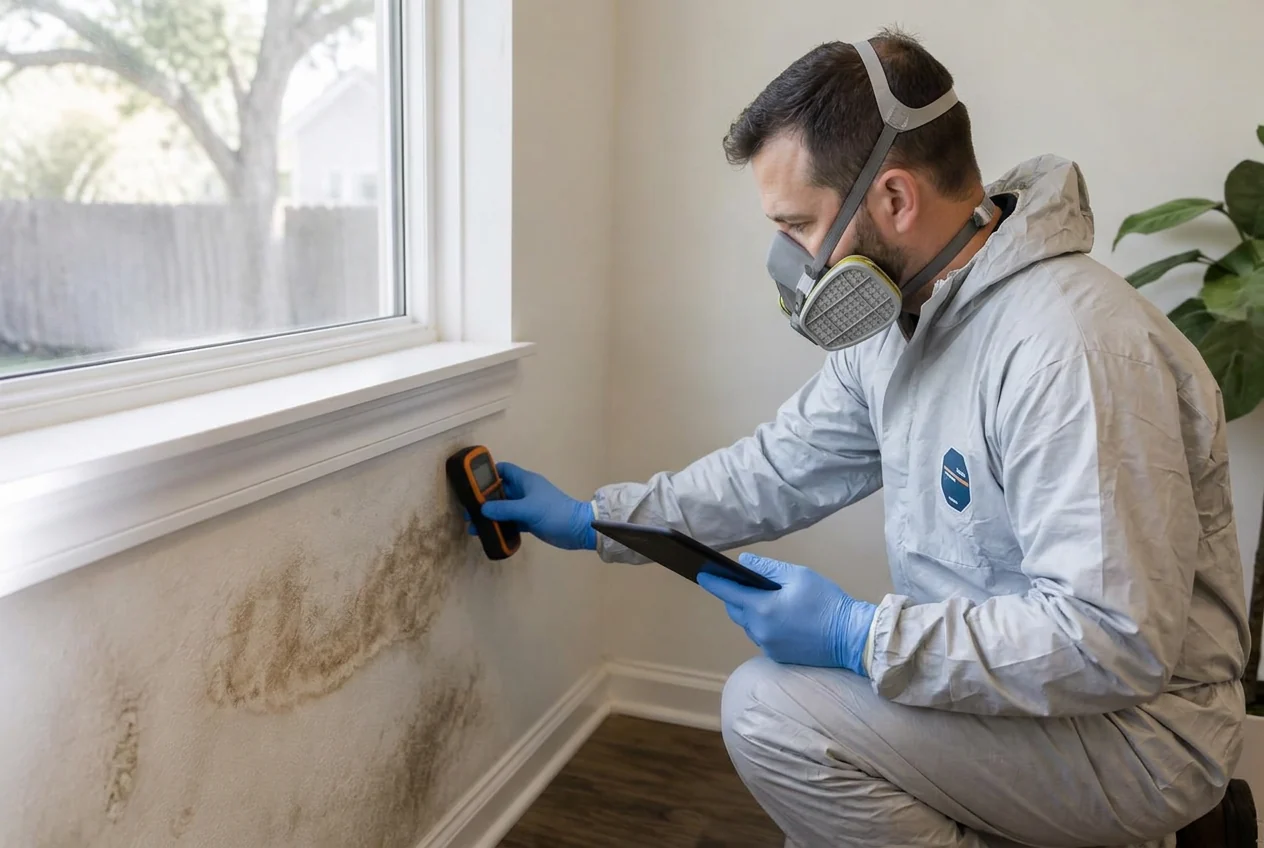
Measure humidity instead of guessing
A room can feel comfortable and still have damp surfaces or a hidden leak. An inexpensive hygrometer helps track relative humidity. EPA recommends keeping indoor humidity below 60%, ideally between 30% and 50% where practical. Conditions can vary between rooms and throughout the day.
A high reading is a clue to investigate ventilation, cooling, moisture entry, and occupancy patterns. It does not by itself identify mold or tell you which surface needs removal.
Address recurring sources
Check accessible plumbing, roof or window leaks, and AC drainage. Condensation on cold surfaces can wet surrounding materials even without a plumbing failure. A qualified HVAC professional can evaluate system issues; mold remediation should not be treated as a substitute for needed mechanical repairs.
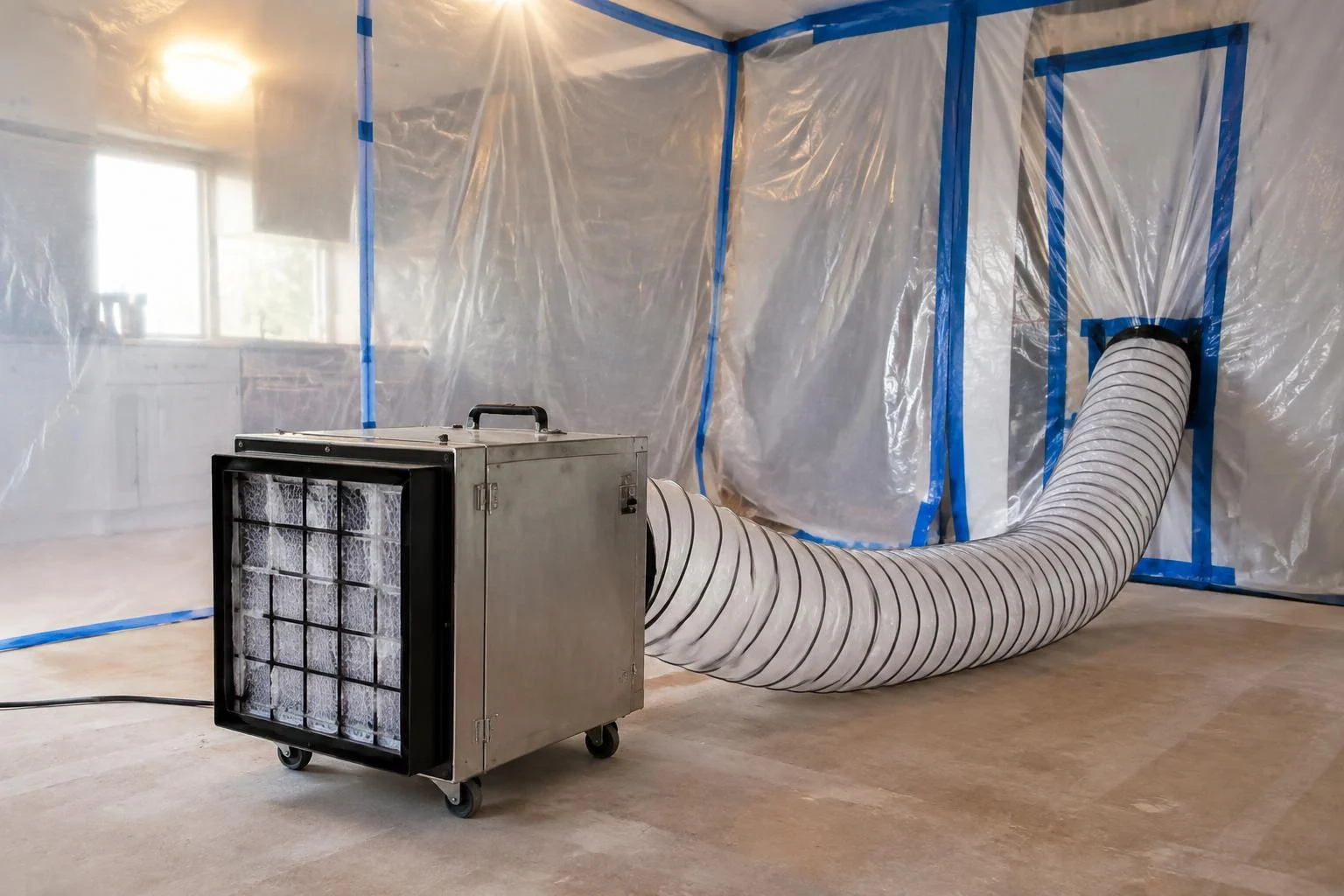
Use ventilation and dehumidification appropriately
Bathroom and kitchen exhaust should vent outdoors. Maintain drainage and filters according to equipment guidance. Dehumidifiers can help control excess moisture but need proper placement and drainage. Air scrubbers filter particles; they do not lower humidity or repair a leak.
Watch previously affected areas
After cleanup, check for returning stains, odors, or dampness rather than waiting for obvious growth. Keep moisture-correction records and follow the prevention steps discussed for your property. Our consultation focuses on the source and practical next steps, with plumbing, roofing, or HVAC work handled by the appropriate trade when needed.
Sources & further reading
General property guidance, not medical or legal advice. Methods, requirements, and recommendations depend on site conditions and the applicable scope. For health concerns, consult a qualified healthcare professional.