
Skip to content

Family owned & operated

Our name is in our work.

Mold after a water leak: the first 24–48 hours matter

Call (512) 612-5866 for mold removal & remediation pricing and the next available estimate.

Prompt drying helps prevent growth, but established mold requires a controlled approach—not a fan pointed at the damage.

Newman Mold Company · Published
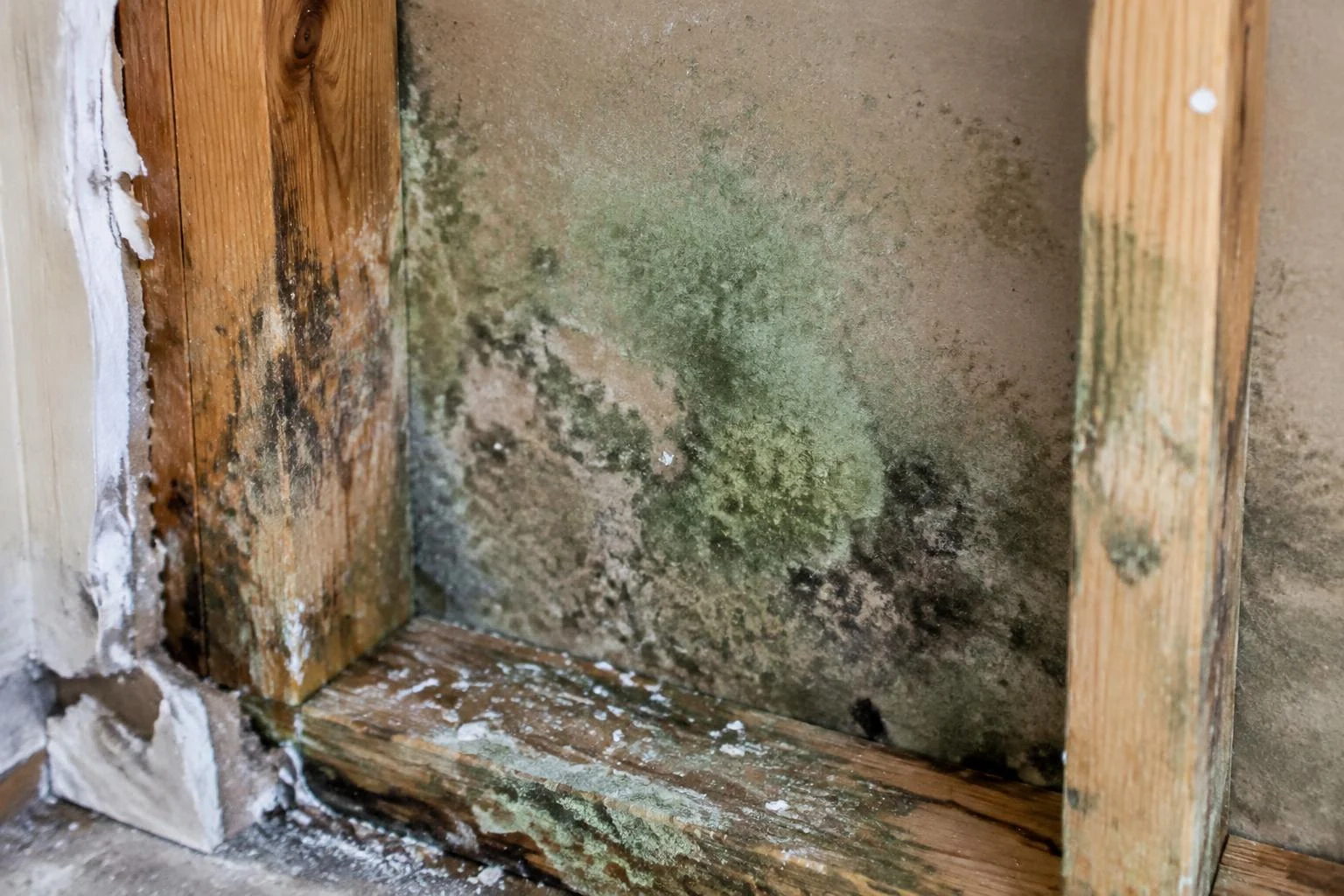
Suspect growth on wood framing and the back of drywall inside a wall cavity
Growth inside wall cavities

Stop the water safely

The first priority is the active moisture source. Shut off a leaking supply only if it is safe, and use the appropriate plumber, roofer, or HVAC professional for repairs. Water near electrical equipment or contaminated floodwater requires additional safety precautions. Do not enter an unsafe area to save materials.

EPA recommends drying wet areas and materials within 24–48 hours to help prevent mold growth. This is a prevention goal, not a guarantee that growth cannot occur earlier or a reason to ignore older damage.

Differentiate fresh water damage from a mold job

Fresh wet materials with no established growth and a mold-contaminated area need different handling. If growth is present or suspected, avoid blowing air across affected surfaces. Newman does not use air movers on mold jobs; dehumidifiers manage moisture while air scrubbers support particle control.
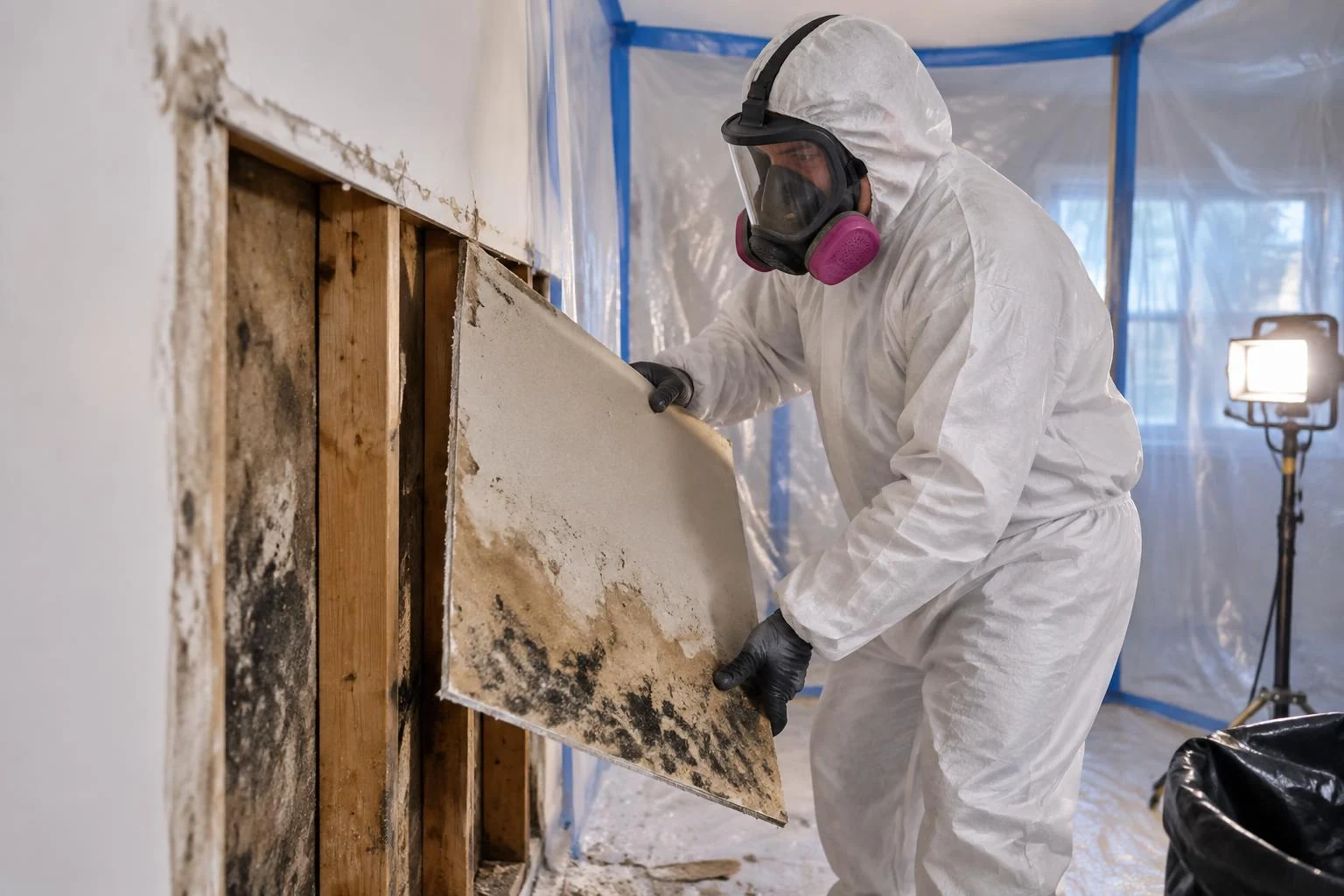
Technician in full protective suit and respirator removing drywall
Full protective equipment. Suits, gloves, and respirators protect workers and limit cross-contamination.

Some materials cannot simply be dried in place

Porous materials may retain contamination or be damaged beyond practical cleaning. Drywall, insulation, carpet, and other finishes need evaluation based on condition, contamination, and scope. Drying the room does not automatically make every affected material salvageable.

Document the history and ask about scope

Record the leak date, likely duration, affected rooms, and completed repairs. Keep photos and relevant repair records for your own files. Ask which areas need evaluation, what might need removal, and whether Texas assessment or notice requirements affect scheduling. Same-day availability does not mean every project can be completed in one visit.

Sources & further reading

General property guidance, not medical or legal advice. Methods, requirements, and recommendations depend on site conditions and the applicable scope. For health concerns, consult a qualified healthcare professional.

Household belongings & contents cleaning

What can be cleaned—and what may need to go?

Belongings affected by mold growth or contaminated dust need their own plan. We consider the material, visible condition, moisture history, accessibility, and value before recommending cleaning or disposal. Do not move suspect items through clean rooms or brush off deposits before the evaluation.

Inspect & evaluate

Visual inspection is the starting point. Targeted tape-lift samples may help distinguish suspect surface deposits or evaluate cleaning when the assessment calls for them. Sampling is not automatically required for every item; regulated work follows the independent assessment protocol.

Clean in controlled passes

For suitable dry items, our contents-cleaning sequence can include initial HEPA vacuuming, material-compatible chemical application where appropriate, wiping, thorough drying, and another HEPA vacuum pass. Multiple passes may be needed. Products are used according to their labels; chemicals do not replace physical removal.

Match the method to the material

Material-appropriate abrasive wet cleaning—controlled wet scrubbing—can remove adherent deposits on durable surfaces. It is not suitable for every finish or object. Avoid dry sanding that spreads dust. Items must be dried, reinspected, and evaluated against the cleaning scope before returning to a clean space.

Porous: harder to fully clean

Pores, fibers, and hidden layers can hold growth and moisture beyond reach. Actual growth inside an item is different from dust on its surface.

Often discarded when growth is embedded or cleaning is impractical

  • Mold-contaminated carpet and padding.
  • Mattresses, pillows, foam cushions, and heavily affected upholstered furniture.
  • Swollen or mold-affected particleboard and MDF furniture.
  • Low-value mold-damaged cardboard, paper, and books.
  • Mold-affected drywall, insulation, and ceiling tiles.

Washable clothing, curtains, and some textiles may be salvageable depending on contamination and laundering instructions. Valuable documents, art, and heirlooms may need a specialist conservator rather than automatic disposal.

Nonporous: often cleanable

Sound, accessible hard surfaces are usually easier to clean and dry, provided contamination has not entered hidden components.

Common candidates for professional cleaning

  • Glassware, mirrors, and intact glazed ceramics.
  • Metal furniture, utensils, and accessible hardware.
  • Hard plastic containers and suitable washable toys.
  • Intact sealed furniture surfaces and accessible appliance exteriors.
  • Solid wood furniture, evaluated for finish, depth of damage, and moisture.

Solid wood is porous but may be salvageable; it needs case-by-case evaluation. Electronics, upholstered items, hollow objects, and internal appliance parts may need specialist service. Do not spray chemicals into electronics or assume exterior wiping cleans the inside.

Not sure whether to keep an item? Call (512) 612-5866 to discuss cleaning and salvage options. Tell us what it is made of, whether it is wet, and whether you see growth or only settled dust. No cleaning method can guarantee every belonging is salvageable.

EPA guidance on porous materials and cleanup

The Newman mold guide

Continue reading

All articles
Free phone consultation · (512) 612-5866