
Skip to content

Family owned & operated

Our name is in our work.

Mold on drywall: can it be cleaned, or should it be removed?

Call (512) 612-5866 for mold removal & remediation pricing and the next available estimate.

The condition and porosity of a material matter more than whether its surface can be made to look clean.

Newman Mold Company · Published
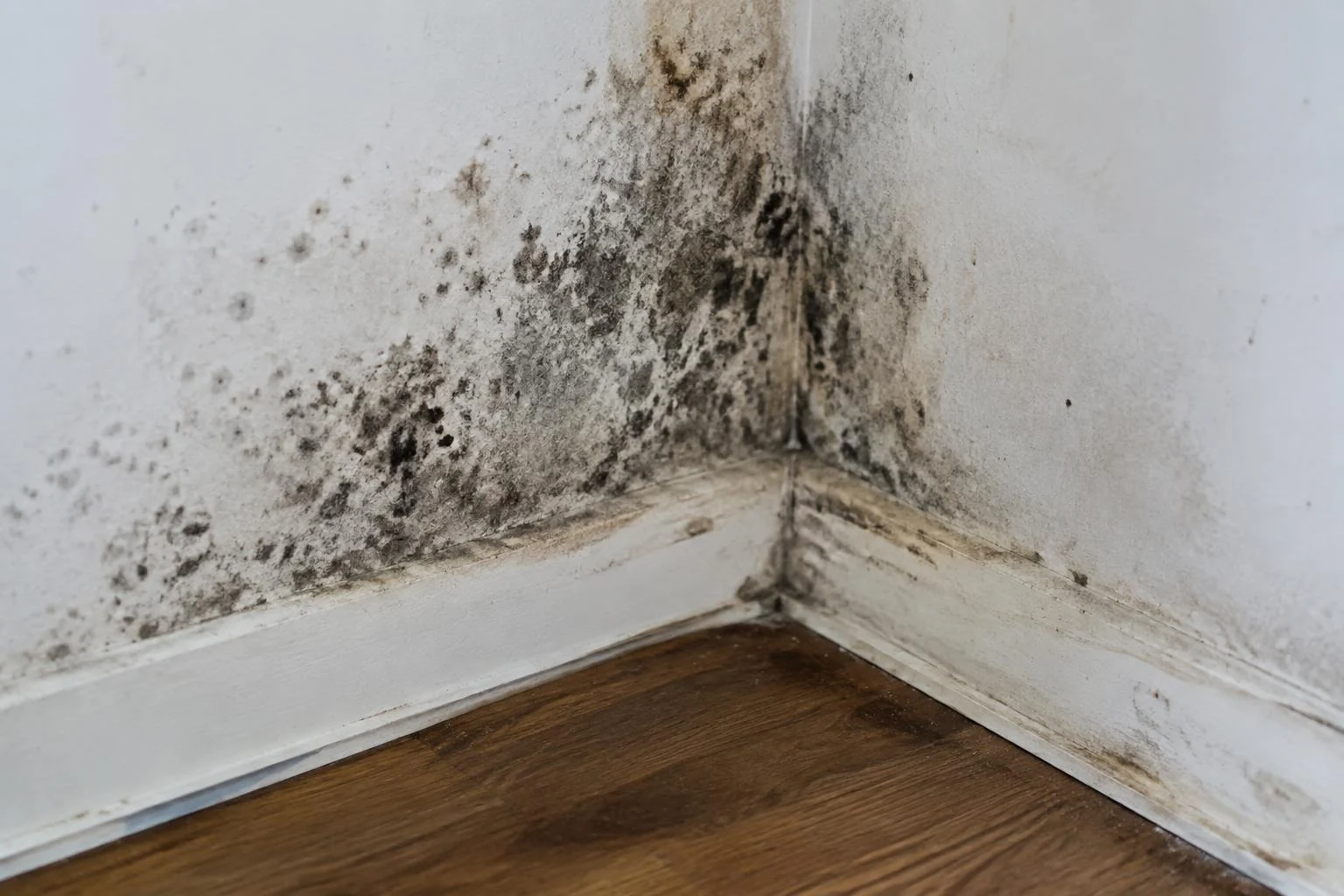
Dark mold growth on water-damaged drywall in a room corner
Black or dark mold

Appearance is not the only consideration

A wiped or painted surface can look better while moisture or contamination remains in a porous material. Drywall paper can support growth when persistently damp. The decision to retain or remove a material depends on its condition, the extent of contamination, and the remediation scope.

EPA notes that absorbent or porous materials may need to be discarded if they become moldy because growth can occupy spaces that are difficult to clean completely. That does not mean every mark on drywall requires tearing out an entire room.

Evaluate both the material and the source

Was the wall wet from a repaired supply leak, a recurring roof intrusion, or condensation? Is it soft or damaged? Are adjoining finishes affected? These questions guide evaluation. Do not cut into suspect materials yourself simply to look behind them; disturbance can spread debris.
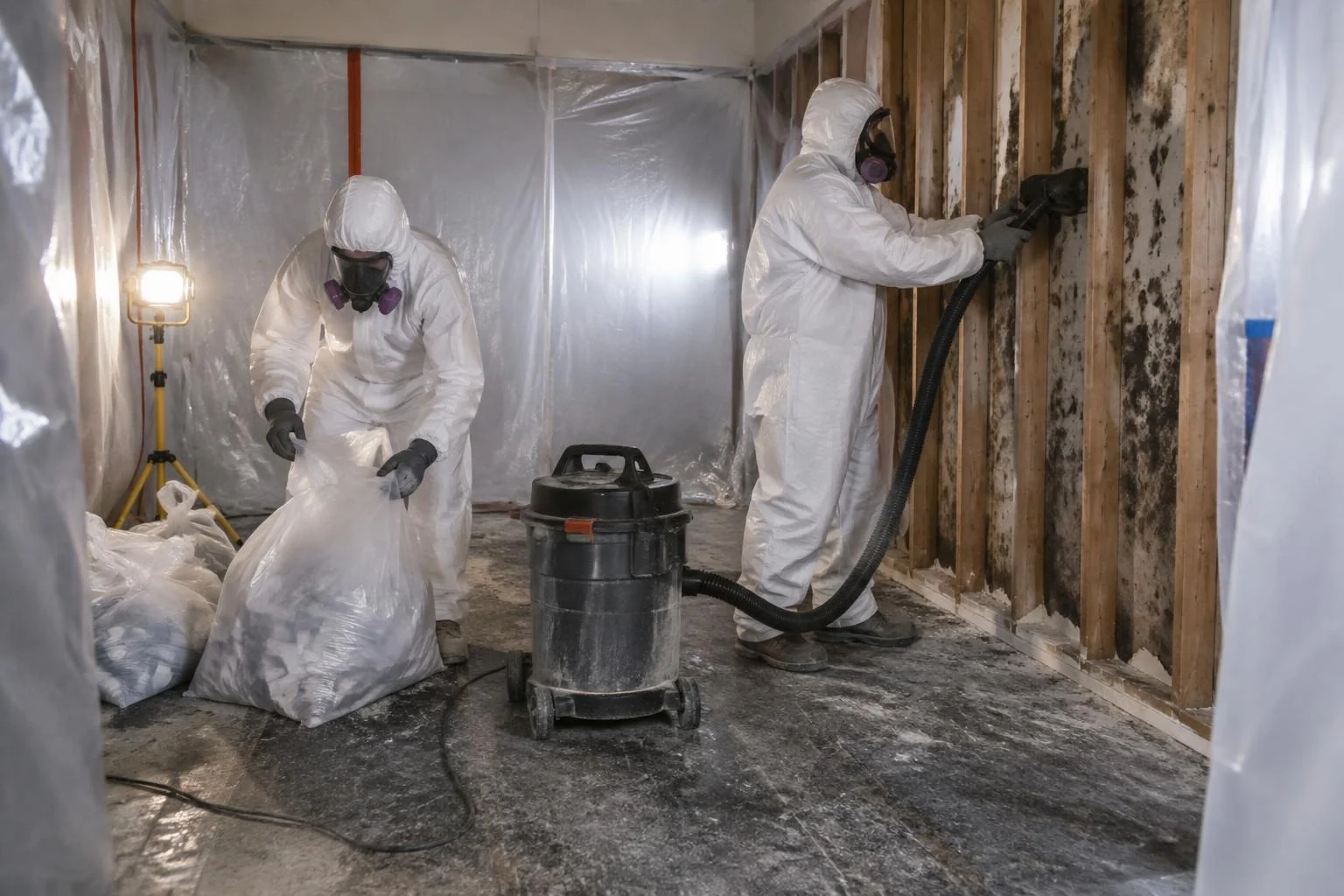
Two workers in protective suits HEPA vacuuming studs and bagging debris inside containment
Removal & HEPA vacuuming. Affected materials are bagged inside containment and framing is HEPA vacuumed.

How controlled removal fits the cleanup

When removal is needed, Newman uses containment and controlled debris handling suited to the job. Salvageable surfaces receive appropriate cleaning and HEPA vacuuming as specified. Moisture correction and dryness need attention before a repaired surface is closed or refinished.

Separate remediation from reconstruction

Ask which materials are included in removal, how much access is needed, and whether reconstruction is included or arranged separately. Get clarity on the finish condition you should expect at completion. Required independent clearance checks remediation criteria; it is not a promise that new drywall or paint is included in the same price.

Sources & further reading

General property guidance, not medical or legal advice. Methods, requirements, and recommendations depend on site conditions and the applicable scope. For health concerns, consult a qualified healthcare professional.

Household belongings & contents cleaning

What can be cleaned—and what may need to go?

Belongings affected by mold growth or contaminated dust need their own plan. We consider the material, visible condition, moisture history, accessibility, and value before recommending cleaning or disposal. Do not move suspect items through clean rooms or brush off deposits before the evaluation.

Inspect & evaluate

Visual inspection is the starting point. Targeted tape-lift samples may help distinguish suspect surface deposits or evaluate cleaning when the assessment calls for them. Sampling is not automatically required for every item; regulated work follows the independent assessment protocol.

Clean in controlled passes

For suitable dry items, our contents-cleaning sequence can include initial HEPA vacuuming, material-compatible chemical application where appropriate, wiping, thorough drying, and another HEPA vacuum pass. Multiple passes may be needed. Products are used according to their labels; chemicals do not replace physical removal.

Match the method to the material

Material-appropriate abrasive wet cleaning—controlled wet scrubbing—can remove adherent deposits on durable surfaces. It is not suitable for every finish or object. Avoid dry sanding that spreads dust. Items must be dried, reinspected, and evaluated against the cleaning scope before returning to a clean space.

Porous: harder to fully clean

Pores, fibers, and hidden layers can hold growth and moisture beyond reach. Actual growth inside an item is different from dust on its surface.

Often discarded when growth is embedded or cleaning is impractical

  • Mold-contaminated carpet and padding.
  • Mattresses, pillows, foam cushions, and heavily affected upholstered furniture.
  • Swollen or mold-affected particleboard and MDF furniture.
  • Low-value mold-damaged cardboard, paper, and books.
  • Mold-affected drywall, insulation, and ceiling tiles.

Washable clothing, curtains, and some textiles may be salvageable depending on contamination and laundering instructions. Valuable documents, art, and heirlooms may need a specialist conservator rather than automatic disposal.

Nonporous: often cleanable

Sound, accessible hard surfaces are usually easier to clean and dry, provided contamination has not entered hidden components.

Common candidates for professional cleaning

  • Glassware, mirrors, and intact glazed ceramics.
  • Metal furniture, utensils, and accessible hardware.
  • Hard plastic containers and suitable washable toys.
  • Intact sealed furniture surfaces and accessible appliance exteriors.
  • Solid wood furniture, evaluated for finish, depth of damage, and moisture.

Solid wood is porous but may be salvageable; it needs case-by-case evaluation. Electronics, upholstered items, hollow objects, and internal appliance parts may need specialist service. Do not spray chemicals into electronics or assume exterior wiping cleans the inside.

Not sure whether to keep an item? Call (512) 612-5866 to discuss cleaning and salvage options. Tell us what it is made of, whether it is wet, and whether you see growth or only settled dust. No cleaning method can guarantee every belonging is salvageable.

EPA guidance on porous materials and cleanup

The Newman mold guide

Continue reading

All articles
Free phone consultation · (512) 612-5866