
Family owned & operated
Our name is in our work.
After mold remediation: clearance, prevention, and follow-through
Call (512) 612-5866 for mold removal & remediation pricing and the next available estimate.
What completion means, what independent clearance checks, and how to watch for new moisture after the work.
Newman Mold Company · Published

Completion is more than a cleaner-looking wall
Visible cleanup is part of the process, but the job also needs attention to the moisture source, affected materials, and the agreed scope. Ask what condition the area will be left in and whether reconstruction is a separate step.
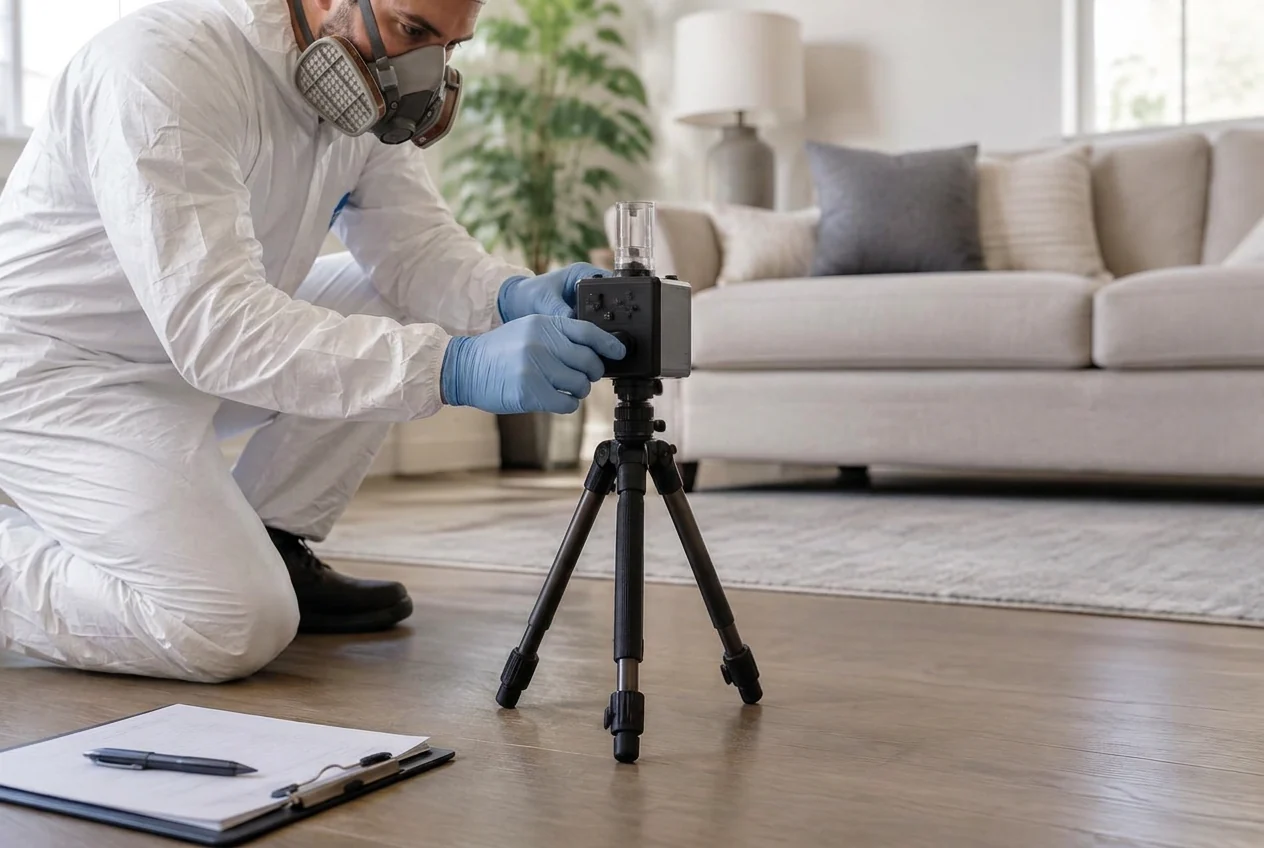
For regulated Texas projects, a separate licensed mold assessment consultant performs post-remediation assessment. The consultant checks the work against protocol criteria. Required sampling, if specified, is one part of that evaluation rather than a guarantee that no mold spore exists anywhere.
Keep the project documents
Retain your written scope, protocol where applicable, clearance records, and required completion documents. Ask how the Certificate of Mold Damage Remediation process applies to your project. Documentation has a purpose, but it should not be represented as a universal insurance or property-value guarantee.
Check that source correction is complete
A repaired roof leak, plumbing problem, or AC drain issue matters to long-term results. Confirm who handled the repair and what remains to be done. Maintain appropriate humidity and ventilation, and periodically inspect accessible areas that previously stayed wet.
Understand the warranty and report changes
Newman stands behind its remediation work with project-specific warranty terms. Ask what is covered, what moisture-related exclusions apply, and whom to contact if concerns return. A new leak can create new growth even after properly completed remediation. Report returning stains, odors, or dampness so the source can be evaluated.
Sources & further reading
General property guidance, not medical or legal advice. Methods, requirements, and recommendations depend on site conditions and the applicable scope. For health concerns, consult a qualified healthcare professional.